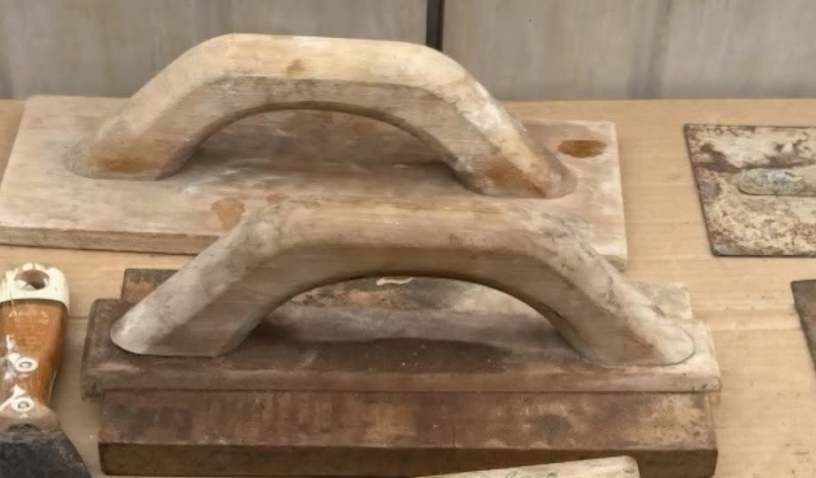
Photo Cross Grain Float curtesy of Martyn Griffiths
Introduction
A devil float is a plasterer’s tool that has been used for many years. Similar tools were even used by the Ancient Egyptians when plastering the walls of their tombs.
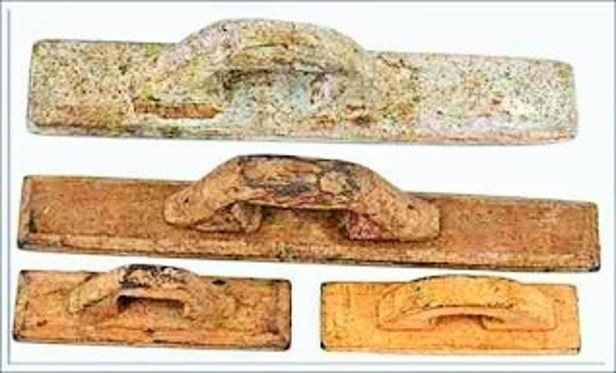
The main purpose of a devil float is to make the first coat of plaster flat and true so that the wall is even. At the same time, it scratches the surface to create a “key.” This key is very important because it helps the next coat of plaster bond properly.
Description of the Tool
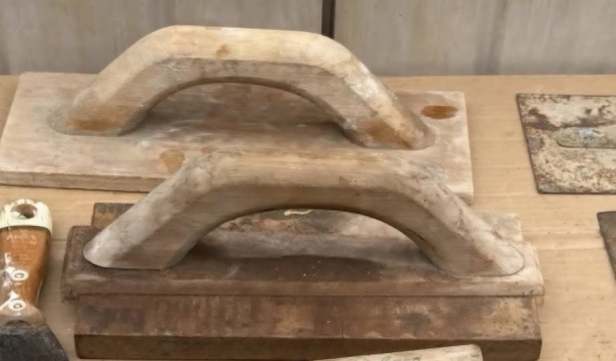
The devil float is made from wood and looks like a small wooden float or trowel. Nails or screws are pushed through the bottom so that the points stick out about 2–3 mm. When the float is dragged across the wall, these points scratch the surface. This makes sure the plaster is level and has a rough texture so that the next layer bonds well.
Cross-Grain Float
There is also a tool called a cross-grain float. This is a wooden float where the grain of the wood runs across the width, not along the length. The grain running across makes the float last longer because it does not wear down unevenly. It also gives a slightly rougher surface, which is helpful because it creates suction and a good key for the next coat to bond.
Materials
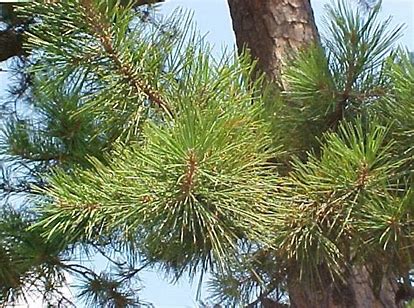
The best wood for making a devil float in the UK is yellow pine, also called Scots pine. Yellow pine is used because it is easy to shape, strong enough to last, and soft enough so that it does not dig too deep into the plaster. It also stays flat if dried properly and has always been easy and cheap to find. Harder woods like beech or mahogany can also be used, but they often make the surface too smooth, which is not good because the plaster needs a slightly rough finish for bonding.
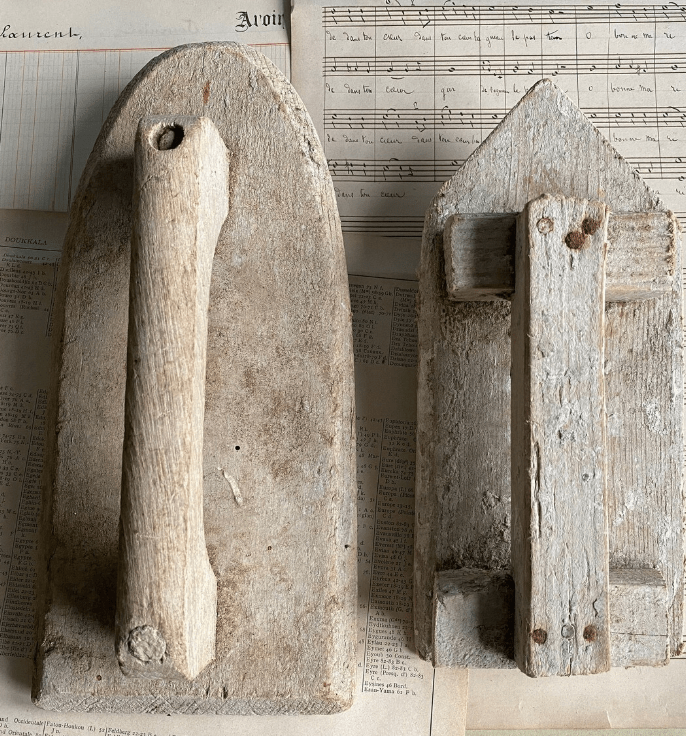
By Mick Hargreaves
 Lath and Plaster