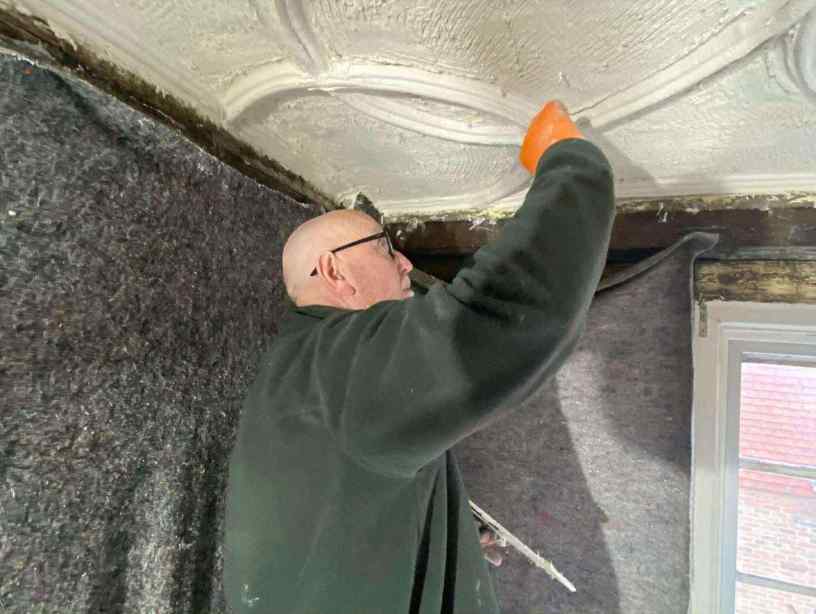
Step into an old house or historic building and run your hand along the wall — you may notice something different. Instead of the perfectly flat, uniform surfaces of modern drywall, these walls have a subtle texture, a soft warmth, and a quiet depth. What you’re feeling is traditional lath and plaster — a technique that has shaped buildings for centuries.
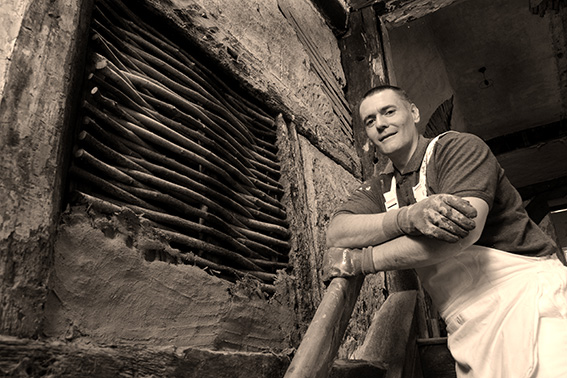
But this centuries-old craft is at risk. Fewer tradespeople are learning how to do it, and many of the skilled plasterers who still know the craft are nearing retirement. To keep this tradition alive, we must focus on teaching and mentoring the next generation — just as craftsmen have done for hundreds of years.
Why This Skill Is Disappearing
Modern construction Favors drywall because it is fast, cheap, and easy to install. As a result, many trade schools no longer teach the three-coat plaster system, how to work with wooden lath, or how to mix lime plaster properly. A young builder today could graduate with no knowledge of how to repair or replicate the walls of a 19th-century house.
When historic buildings need repair, this lack of knowledge becomes a real problem. Without skilled plasterers, the work may be done incorrectly — damaging the building’s character — or skipped entirely in Favor of less authentic methods. If no one preserves and teaches these techniques, we risk losing them altogether.
Learning the Craft — the Traditional Way
For centuries, the building trades were passed down through masters and apprentices an arrangement that goes back to the medieval guild system. The master provided instruction, work opportunities, and tools, while the apprentice learned through hands-on experience, gradually moving from simple tasks to mastering the craft.
Plastering is no different. The best way to learn is still from someone who already knows. Apprentices start by preparing materials and cleaning tools, slowly working up to applying base coats, finishing coats, and eventually decorative work.
This process is about more than just following steps — it’s about developing a feel for the material: knowing by sight and touch when plaster is ready, how wet the mix should be, and the exact angle to hold a trowel. These subtleties are nearly impossible to pick up from a book or video tutorial — they must be experienced.
Keeping the Tradition Alive
The story of plastering is also the story of continuity — of craft passed from one set of hands to another. By investing in apprenticeships, mentorships, and specialized training programs, we honour that tradition. We make sure that the knowledge carried by today’s plasterers does not retire with them but continues to shape the walls of tomorrow’s homes.

Passing on this craft ensures that historic buildings can be preserved properly, and that future generations can still feel that soft, warm surface and know they are touching history.
 Lath and Plaster