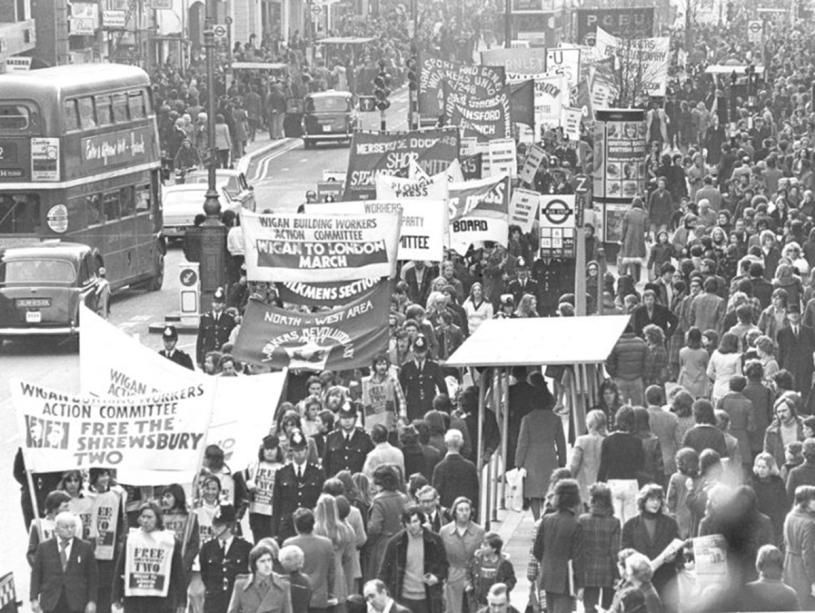
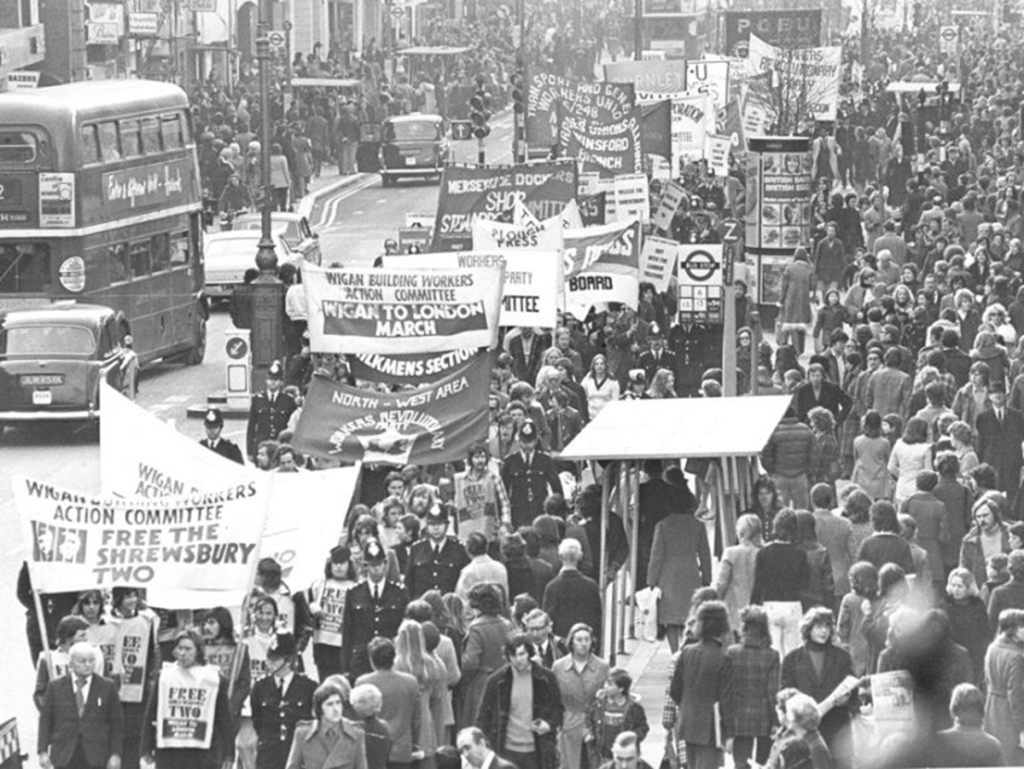
The UK building trade strike of 1972 was a pivotal moment in British labour history, highlighting tensions between the working class and the establishment. The strike, which sought improved wages and safer working conditions, resulted in a dramatic confrontation between trade unions and the government. A significant consequence of this dispute was the prosecution of the Shrewsbury Seven, a group of trade unionists who became embroiled in a controversial trial that exposed the political and legal forces against organized labour.
Background to the 1972 Building Trade Strike
The early 1970s in Britain were marked by increasing industrial action across various sectors. The construction industry was notorious for its poor working conditions, casual employment practices, and low wages. Many construction workers were hired on a temporary basis with little job security, and sites were often dangerous due to a lack of proper safety measures. Given these conditions, the trade unions, particularly the Union of Construction, Allied Trades and Technicians (UCATT) and the Transport and General Workers’ Union (TGWU), sought to challenge the status quo by demanding better wages and improved safety standards.
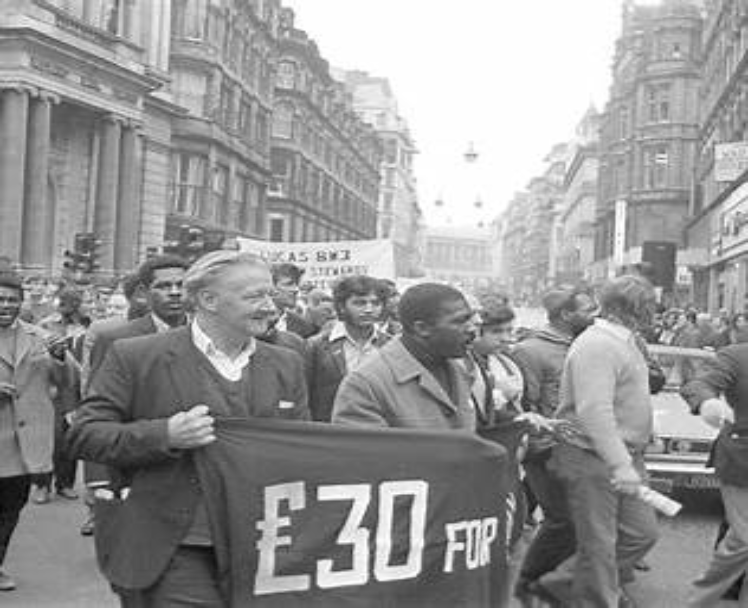
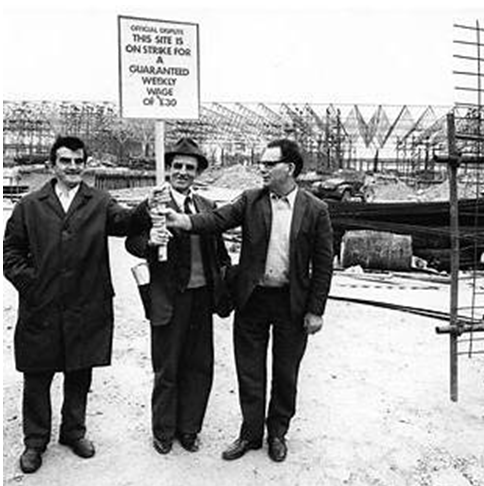
In 1972, construction workers across the country engaged in coordinated industrial action, calling for a minimum wage of £30 per week, alongside efforts to abolish the notorious “lump” system, which allowed employers to hire workers informally without providing proper employment benefits. The strike was largely successful in disrupting construction work, drawing public attention to the plight of labourers in the industry.
Picketing and the Role of the Shrewsbury Seven
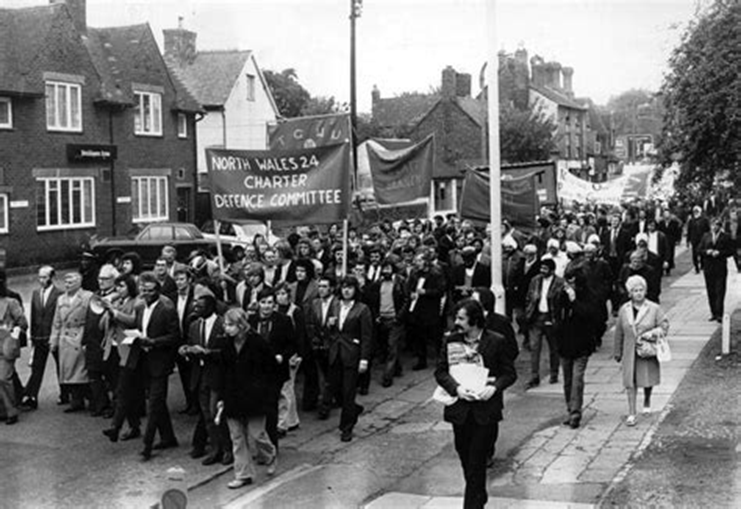
A key feature of the strike was the widespread use of picketing, where workers gathered at construction sites to persuade others to join the industrial action. While much of the picketing remained peaceful, there were instances of confrontations between workers and employers or police. One of the most controversial incidents occurred in Shrewsbury, where a group of picketers—later known as the Shrewsbury Seven—were accused of unlawful assembly, intimidation, and conspiracy to intimidate.
Among those charged were Des Warren and Ricky Tomlinson, both prominent trade union activists. The charges were based on events that took place on September 6, 1972, when workers from North Wales travelled to Shrewsbury to support the strike. The government and the police claimed that these workers engaged in violent intimidation, but many trade unionists and historians argue that the charges were politically motivated, aimed at undermining the strength of organized labour.
The Trial and Controversy
The trial of the Shrewsbury Seven began in 1973, and it quickly became evident that the case was deeply politicised. The government under Conservative Prime Minister Edward Heath had been dealing with widespread industrial unrest, and there was a growing desire to curb the influence of trade unions. The prosecution argued that the accused had engaged in unlawful acts to intimidate workers, while the defence maintained that the trial was a deliberate attempt to criminalize legitimate trade union activities.
One of the most controversial aspects of the trial was the use of conspiracy charges. Instead of prosecuting the accused for specific violent acts, the authorities charged them with conspiracy to intimidate, which made it easier to convict them based on circumstantial evidence. Furthermore, it later emerged that the police had destroyed key evidence, and some of the witnesses were allegedly pressured into testifying against the accused.
In 1974, six of the Shrewsbury Seven were convicted and sentenced to prison terms ranging from nine months to three years. Des Warren received the harshest sentence—three years in prison. His treatment in prison, including being subjected to solitary confinement and the use of a “liquid cosh” (a sedative used on prisoners), highlighted the severity with which the state dealt with trade union activists.
The Wider Impact of the Trial
The conviction of the Shrewsbury Seven had a chilling effect on trade union activism in Britain. Many saw it as a warning to union leaders and rank-and-file members that militant action could result in severe legal consequences. The trial was also part of a broader effort by the Conservative government to weaken trade unions, which culminated in later policies under Margaret Thatcher’s government in the 1980s.
However, the case of the Shrewsbury Seven did not fade from public consciousness. Over the decades, trade unionists and campaigners fought for their convictions to be overturned, arguing that the trial was a miscarriage of justice. It wasn’t until March 2021 that the Court of Appeal finally quashed the convictions, acknowledging that the trial had been unfair due to the destruction of evidence and the involvement of the police and government in influencing the case.
Conclusion
The 1972 UK building trade strike and the subsequent prosecution of the Shrewsbury Seven exemplify the struggles faced by trade unionists in their fight for better wages and working conditions. The trial exposed the extent to which the state was willing to intervene in labour disputes, using the law as a tool to suppress industrial action. While the eventual overturning of the convictions was a victory for justice, it served as a reminder of the long history of resistance against organized labour. The events of 1972 remain significant in British labour history, highlighting the enduring battle for workers’ rights and the importance of legal protections for trade union activism.
 Lath and Plaster