By Mick Hargreaves
The history of plaster mixing equipment in Britain reflects wider transformations in construction practices, labour systems, and materials technology. From Roman occupation to the digital age, the way plaster has been prepared and applied has steadily advanced. Below is a timeline of key developments
1. Ancient & Pre-Industrial Britain

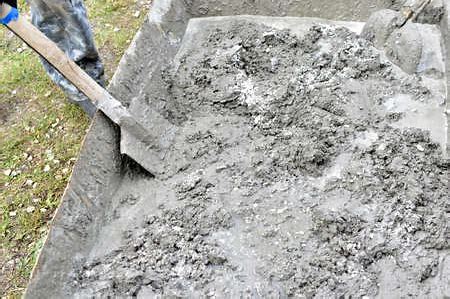
- Roman Influence in Britain: During the Roman occupation (AD 43–410), lime plaster was commonly used in villas and public buildings. Mixing was manual—using shovels, hoes, or feet to combine lime, sand, and water in pits or on timber boards.
- Medieval and Tudor Eras: In post-Roman and medieval Britain, plasterers (a recognised trade by the 14th century) used hand tools to prepare lime putty from quicklime and water, often leaving it to mature before use. Mixing was still entirely manual, aided by apprentices or labourers.
- Craft Guilds and Labour: Plasterers’ guilds emerged in cities like London and York, standardising practices and passing down mixing techniques by hand.
2. 19th Century: Early Industrial Britain
- Hand Tools and Crank Mixers: The Industrial Revolution introduced cast-iron hand-cranked mixers and paddles. These devices made manual work slightly easier, though most plaster was still mixed by hand on-site.
- Steam-Powered Workshops: Some plasterwork firms began adopting steam engines to drive mixing tools—particularly in decorative plaster manufacturing for grand Victorian interiors.
- Portland Cement Introduction (1824): Invented by Joseph Aspdin in Leeds, this new binder gradually influenced plastering materials and mixing methods by the end of the century.
3. Early to Mid-20th Century: Mechanisation in British Building
- Motorised Drum Mixers: By the 1920s and 1930s, British builders began using petrol or electric-powered rotating drum mixers. These were particularly common on interwar housing estates and post-Blitz reconstruction efforts.
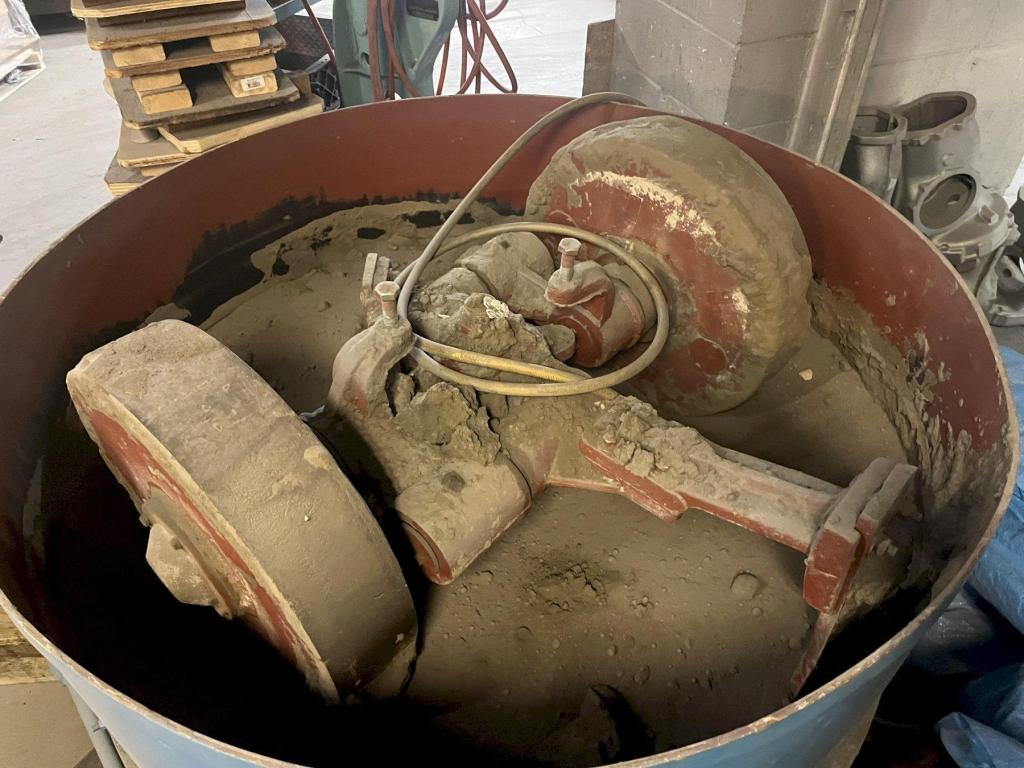
- Forced-Action Mixers: Introduced in the mid-20th century for denser plaster applications, especially with new gypsum-based products like British Gypsum’s “Thistle” range.
- Council Housing Boom: During large-scale council house construction post-WWII, mixing equipment became larger and more mobile, with on-site batch mixers mounted on trailers.
4. Late 20th Century: Specialisation and Portability in the UK
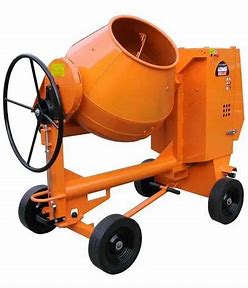
- Professional Mixing Equipment: Dedicated plaster mixers became the norm among professional British contractors, particularly in the 1970s and 1980s. Brands like Belle and Baromix were widely used on domestic and commercial sites.
- Silo-Based Systems: Larger contractors adopted dry silo systems for pre-blended plasters, especially in large housing or commercial developments. These were filled by lorries and mixed on demand at the point of use.
- Spray Plaster Technology: By the 1990s, integrated spray-mixing units, often imported from Germany, became common in large UK fit-out projects, reducing manual labour and speeding up application.
5. 21st Century: Automation and Digital Integration in Britain
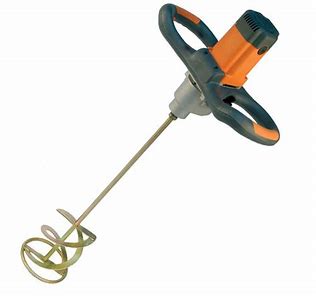
- Continuous Mixing Systems: Widely adopted in British construction, these machines offer fully automated, on-demand mixing of dry plaster with water, with little manual intervention.
- Smart Controls and Sustainability: Digital panels allow control of mixing speed, water content, and batch size. UK firms increasingly prioritise low-noise, low-dust systems that meet Health and Safety Executive (HSE) standards.
- Compact Equipment for Renovation: With a boom in renovation and heritage work across the UK, compact, modular mixers—easily transported into listed or occupied buildings—have become popular.
- British Standards Compliance: Equipment now conforms to BS EN 196 standards for mixing, safety, and material consistency.

 Lath and Plaster