Support Meant Deafness Was No Barrier to Ryan Starting His Own Plastering Business
For many people with disabilities, entering the job market or pursuing self-employment can seem like an uphill battle. However, thanks to the Government’s Access to Work scheme, individuals with a range of disabilities are given the support they need to overcome these barriers and build successful careers.
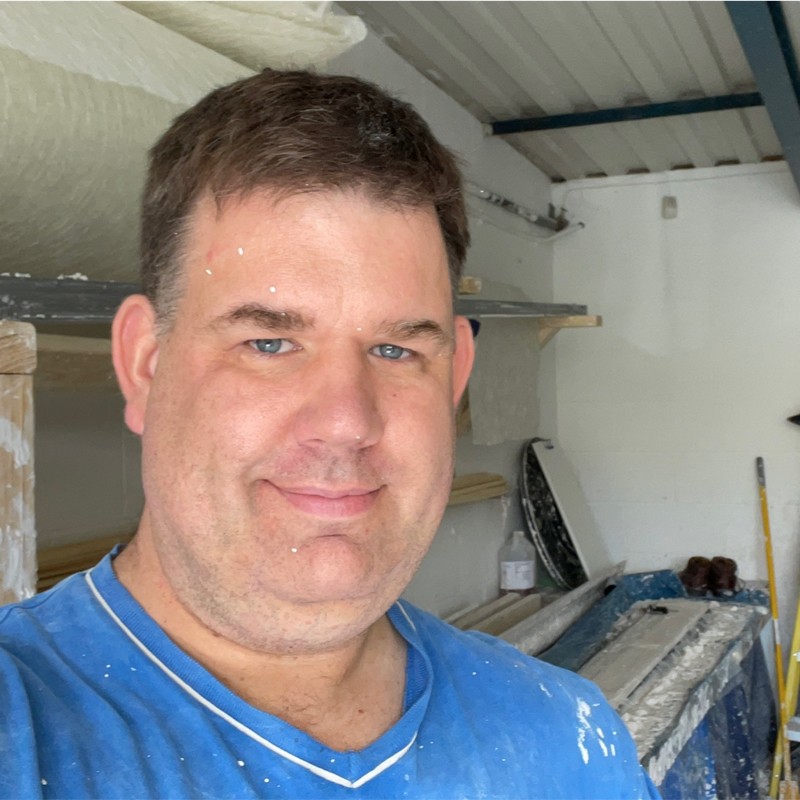
One such success story is that of Ryan Swart, a 37-year-old father of two from Grimsby, Lincs. Profoundly deaf since birth, Ryan faced significant communication challenges throughout his life. Although he initially pursued a career as a British Sign Language (BSL) teacher, declining interest in sign language courses led to a downturn in work opportunities. This left him uncertain about his future and searching for a new path.
Reflecting on his school years, Ryan realized that he had a strong passion for the arts, particularly sculpture and technical drawing. Recognizing that these skills could translate well into a hands-on trade, he saw an opportunity in plastering—a craft that requires precision and an artistic eye for detail.
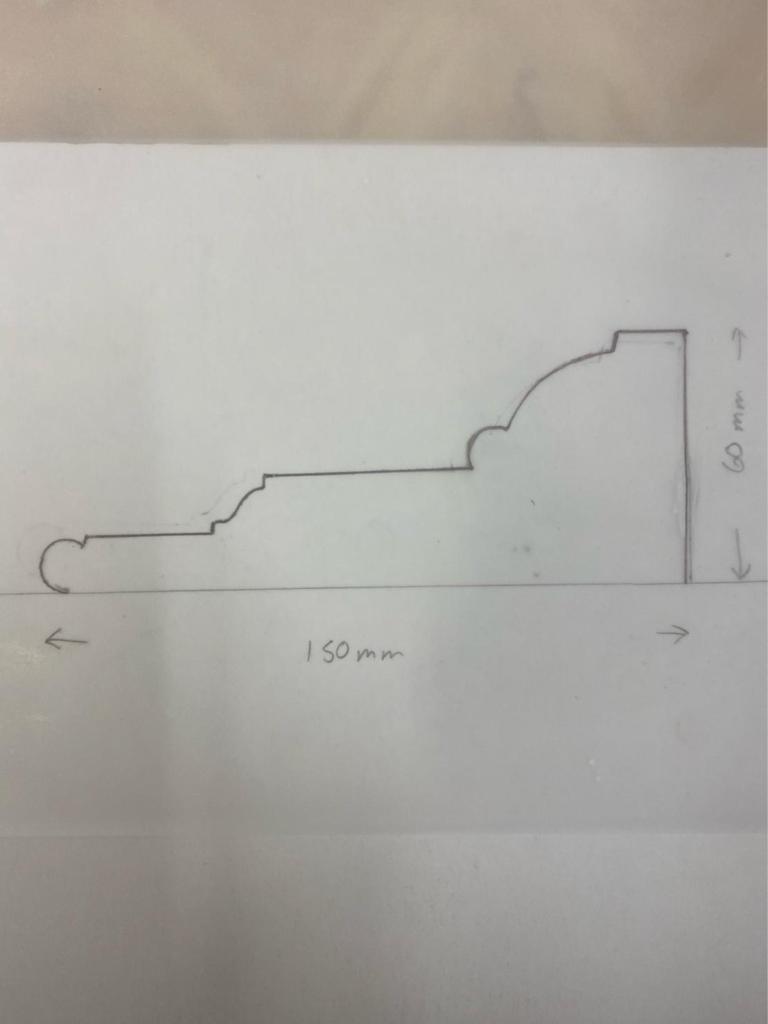
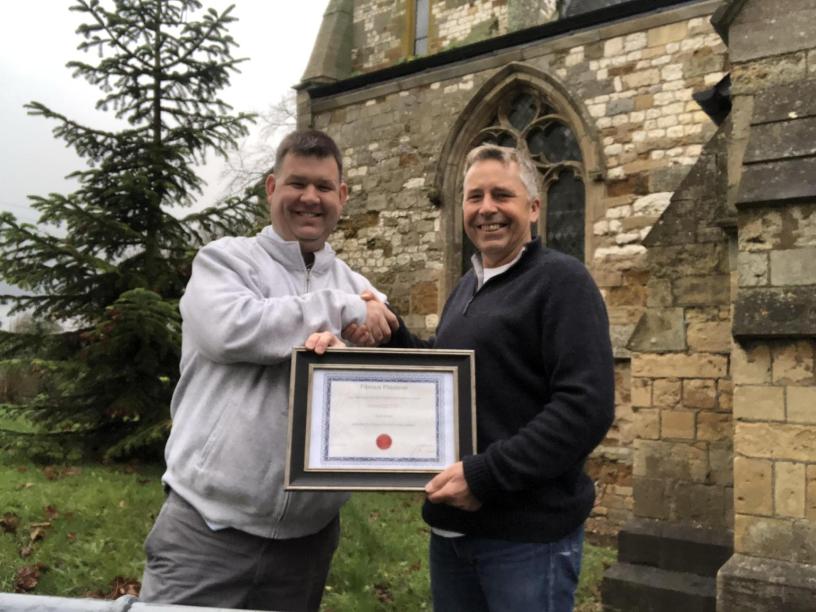
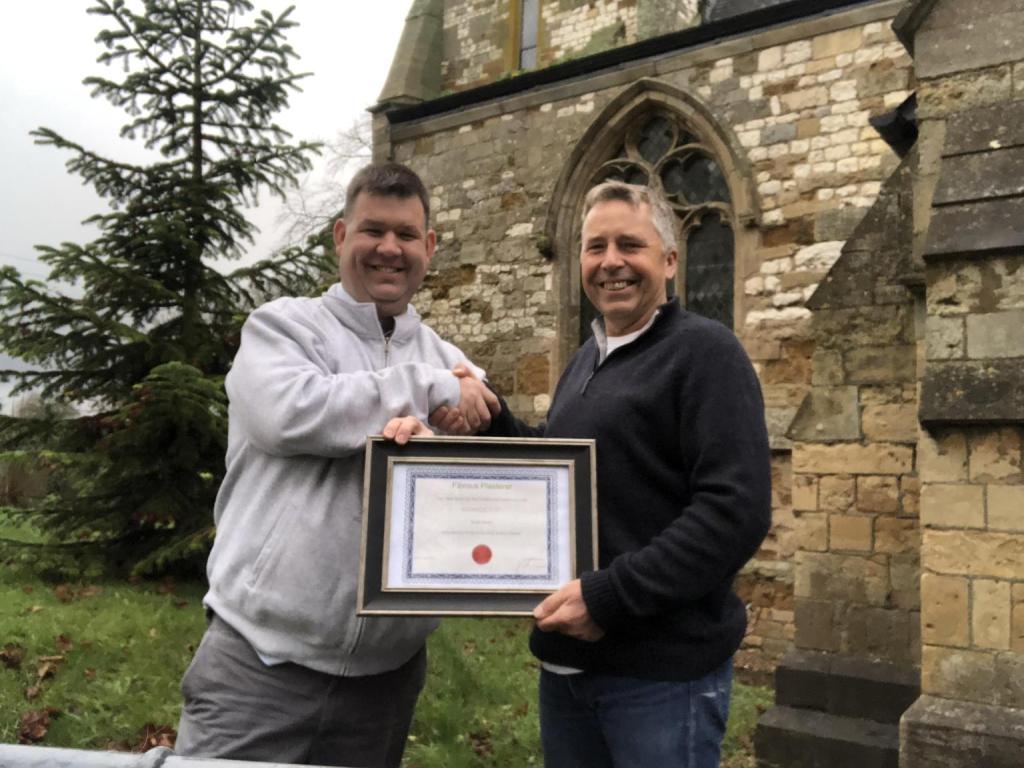
In 2012, he took a bold step and enrolled in a three-year plastering course at the Grimsby Institute. From the very beginning, Ryan knew he had found his calling. “From the moment I started, I just loved it. It was so good to be learning a trade,” he says. With the unwavering support of his tutor, Justin Beattie, and the provision of high-quality BSL interpreters by the college, Ryan was able to excel in his studies.
Despite obtaining his qualification, Ryan encountered significant challenges in securing employment. Many construction firms were reluctant to hire a deaf plasterer, citing health and safety concerns and a general lack of deaf awareness on building sites. This created an additional barrier for him, making it difficult to break into the industry.
Undeterred, Ryan took matters into his own hands. Rather than relying on traditional employment routes, he decided to set up his own plastering business, focusing primarily on domestic projects. He reached out to the Government’s Access to Work programme, which offers financial assistance to disabled individuals, covering extra costs associated with their disabilities. The program provided crucial funding for a BSL interpreter, enabling Ryan to effectively communicate with clients, handle telephone inquiries, and manage administrative tasks.
“Having an interpreter makes all the difference,” Ryan explains. “It allows me to engage with customers, discuss their requirements, and ensure everything runs smoothly. It also helps with managing the business side of things, like scheduling jobs and responding to inquiries.”
Access to Work adviser Rilesh Jadeja emphasizes the importance of the initiative, stating, “Access to Work provides financial help towards the extra costs faced by disabled people in work so they can have the same choice of jobs as everyone else and in every sector. Disabled individuals can claim for additional travel costs, specially adapted equipment, or support workers to assist them in their roles.”
Today, Ryan’s business is thriving, and he has built a reputation for quality craftsmanship and attention to detail. He hopes to inspire other deaf individuals and those with disabilities to pursue their ambitions without fear of limitations.
“The support is out there, and if you have the passion and determination, you can make it work,” he says. “Being deaf doesn’t mean you can’t succeed—it just means you might have to find a different way to achieve your goals.”
Ryan’s story is a powerful example of overcoming adversity through determination, skill, and the right support. His success proves that with the proper resources, disability does not have to be a barrier to achieving professional dreams.

 Lath and Plaster