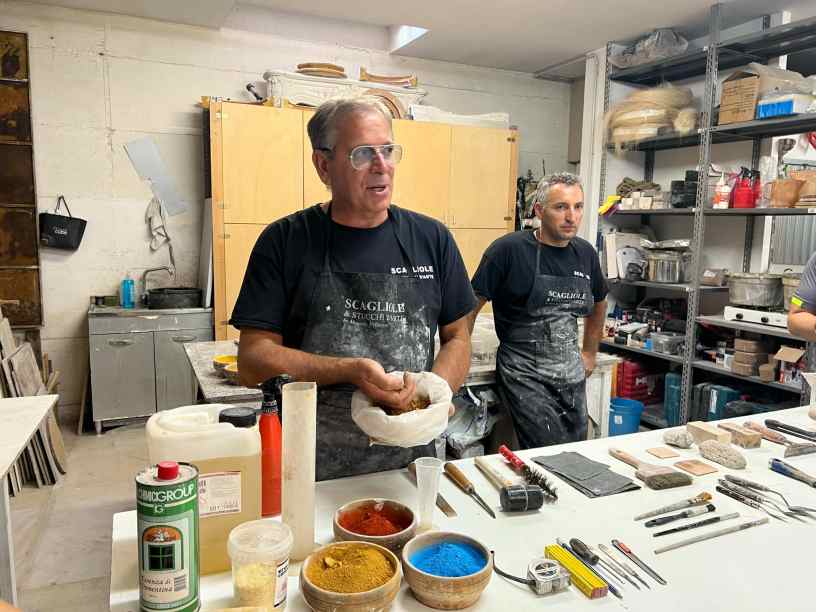
I recently attended a course in Rome run by a Master of Scagliola
Mr Maurizio Feliziani
A rough guide to the art of Scagliola
The marble stucco technique, which seems to have originated in Italy in the Renaissance period, as it allowed the creation of marbled surfaces
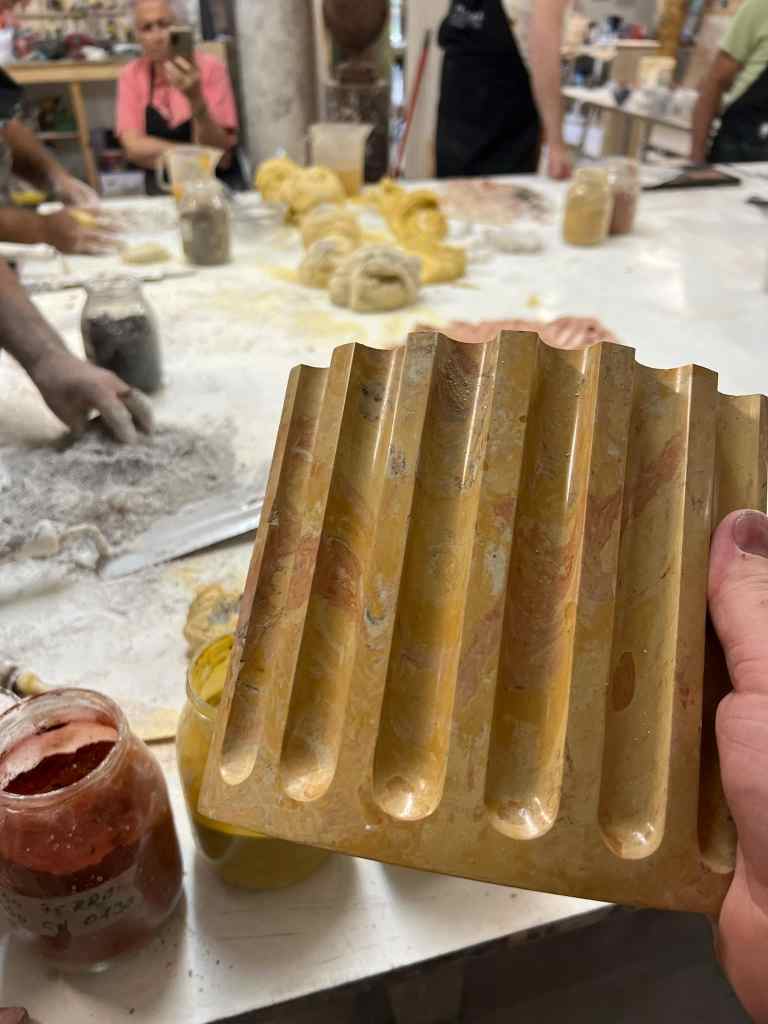
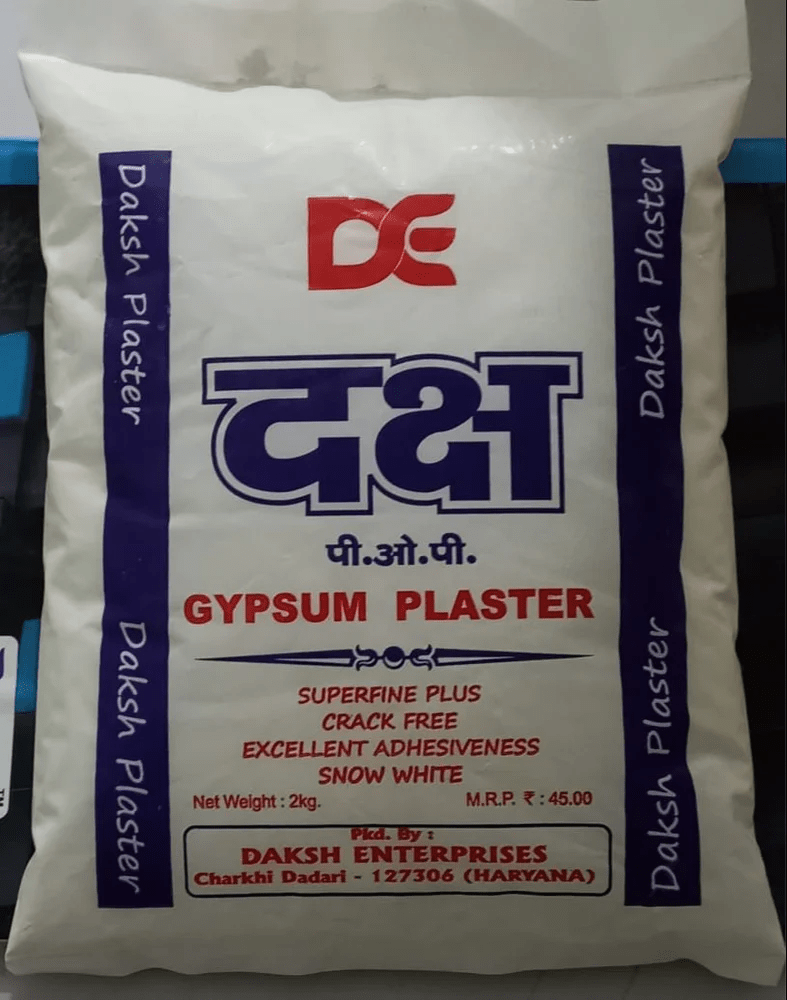
The basic material for the marble stucco technique is gypsum, a material that must necessarily meet specific requirements in order to achieve satisfactory results and therefore a high quality product. It must, in fact, be pure, white and very fine, such as for example alabaster or gamma 41 and in any case a good quality beta type gypsum for ceramic use
In order to slow down the hardening process of the gypsum, bone glue must be used

The pigments to be used for the colouring of the plaster can be both natural and artificial, but they must necessarily be lightfast.
The carefully mixed pigments are prepared separately and the quantity of plaster necessary for the entire work is poured onto the work surface.


A cavity is formed in the center of the plaster, so as to form a ring, in the center of which pour the glue for the dough.
Begin by mixing the plaster with the glue with the help of a brass trowel, until a uniform and compact mass is obtained
The mass is diving into two equal parts, and ten percent is then removed for veins
Pigments are then added to the larger parts and mixed together
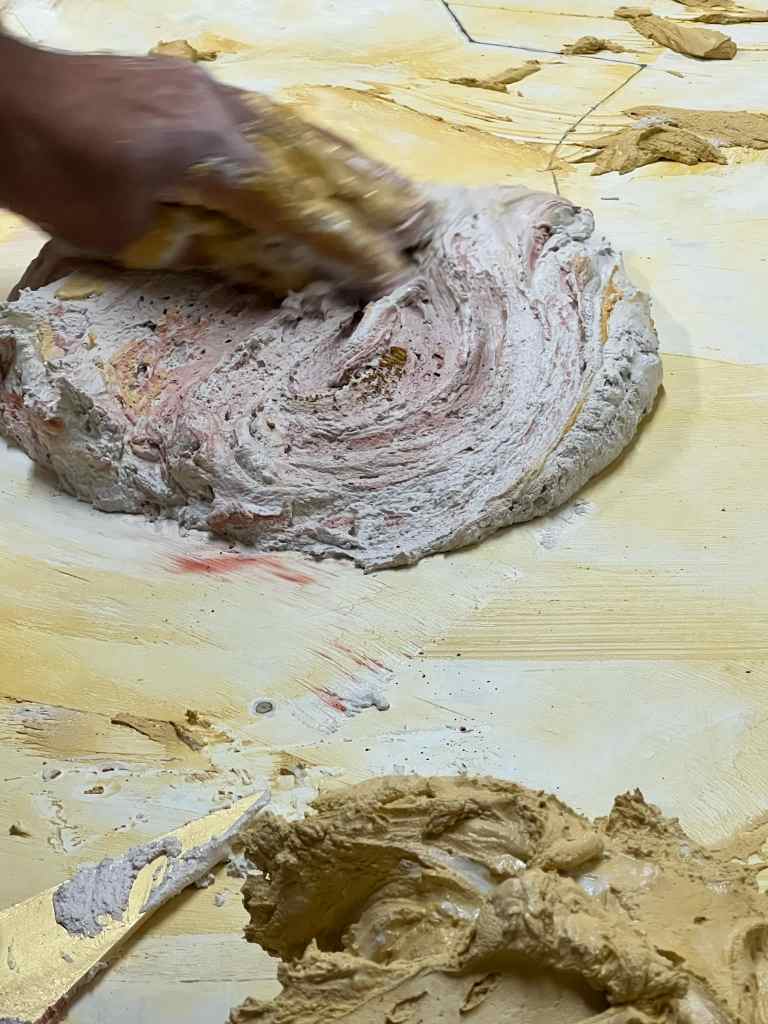
At the end of this operation the mixture is divided into 5 color tones which are the minimum number of shades necessary for a marble stucco mixture. On the other hand, there are no maximum limits and to obtain a greater number of tones it is sufficient to divide the neutral mixture into several parts.
Finally, each tone must be dusted and mixed with dry chalk to give the mass a greater consistency, paying attention to avoid unsightly scratches that could ruin the marbling
The waxing phase is very important as it allows to improve the gloss effect of the marble stucco and at the same time to isolate the surface.

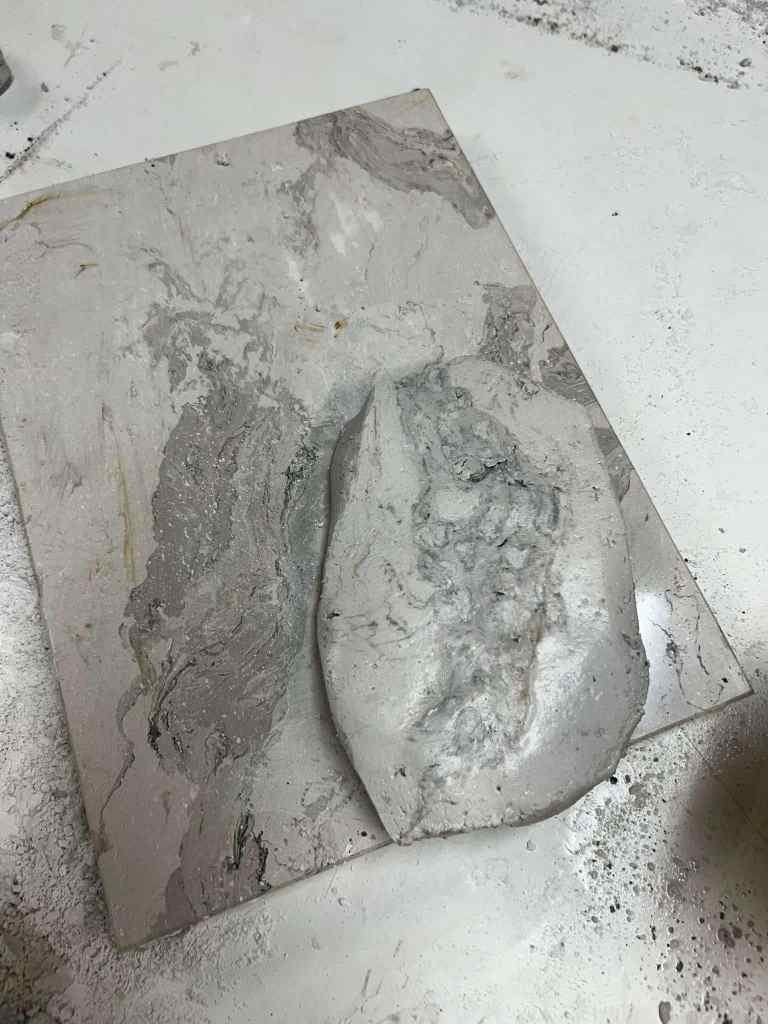
 Lath and Plaster