History of Pargeting
Pargeting, a decorative plasterwork technique, has a long and rich history dating back to ancient times. Its origins can be traced to Roman stucco work, which influenced medieval and Renaissance plastering traditions. The craft became particularly popular in England during the Tudor and Elizabethan periods (16th–17th centuries), when it adorned the facades of timber-framed buildings.
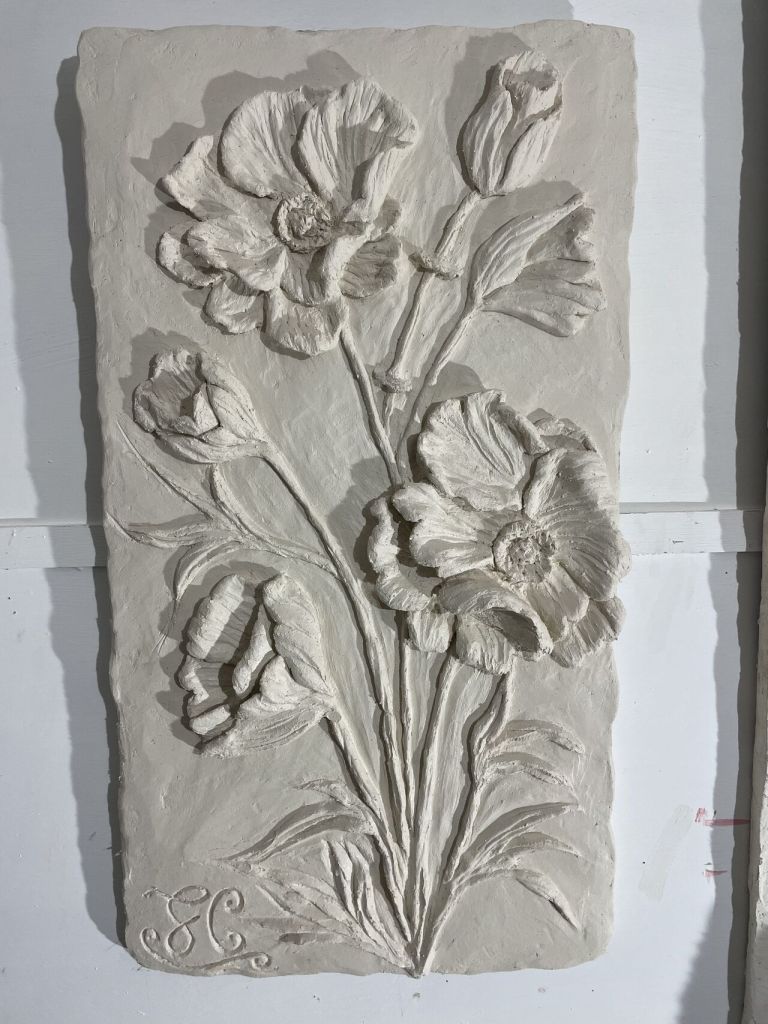
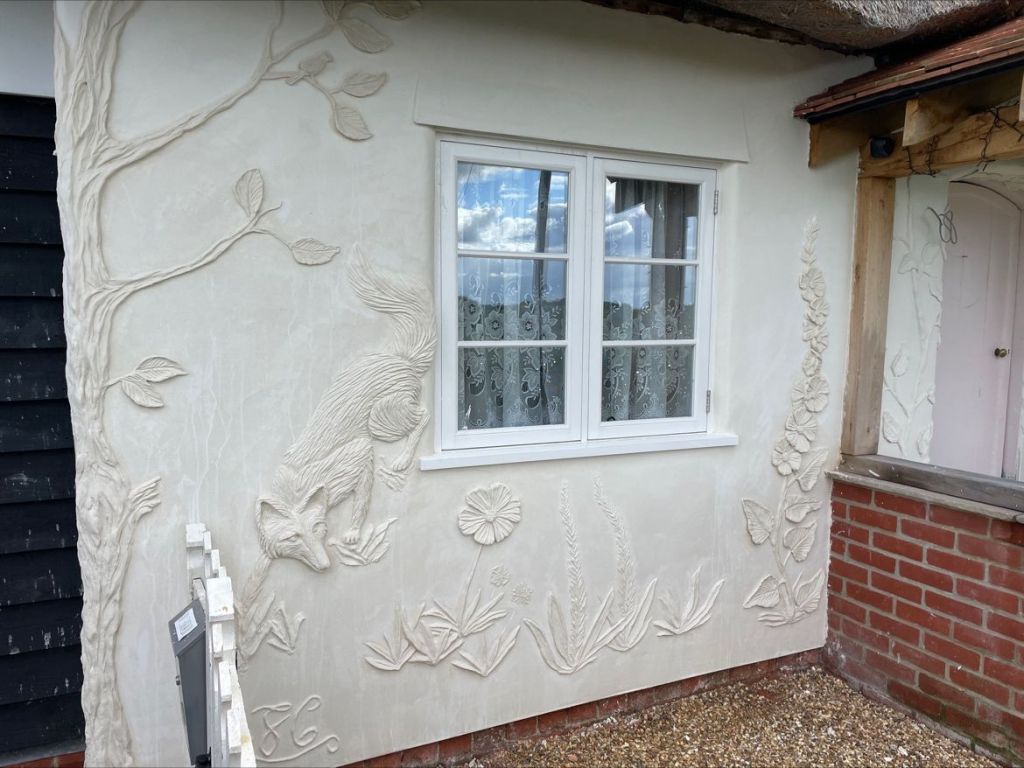
Originally used to protect wattle-and-daub walls from weather damage, pargeting evolved into a form of artistic expression. Craftsmen used lime plaster mixed with hair and sand to create elaborate relief patterns, geometric designs, and even narrative scenes. These decorations, applied to exterior and interior walls, showcased floral motifs, heraldic symbols, and biblical or mythological figures.
The East Anglia region of England became particularly known for its intricate pargeting, with towns like Suffolk and Essex featuring some of the most well-preserved examples. Over time, the technique declined due to changing architectural tastes and the rise of brickwork. However, interest in historic preservation and restoration has led to a resurgence in pargeting, keeping this centuries-old tradition alive.
Today, pargeting remains a symbol of craftsmanship and heritage, with artisans continuing to revive and innovate this decorative plastering technique in modern construction and restoration projects.
Our Resident Pargeter James Collier

5 year apprenticeship as a bricklayer, competed in bricklaying competitions as an apprentice, received the silver trowel award in 1989 at Norwich City College.
Went self employed in 1991, and started my own small building company in 2000, while renovating my own clay lump property I discovered the traditional art of Pargetting in lime plaster, and fell in love with the skill, I’ve since stopped building and now concentrate on Pargetting, sculpting (bas relief) and also my artworks which are available in some local art galleries.
I absolutely love my work and am very passionate about it.
I feel incredibly lucky to have discovered an old traditional art and be able to create interior and exterior art of people!….it’s a privilege!
 Lath and Plaster