By Mick Hargreaves
The Prehistoric Plasterers
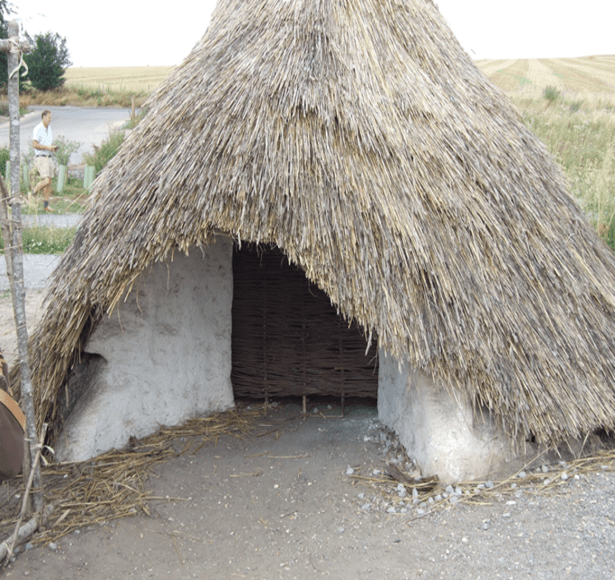
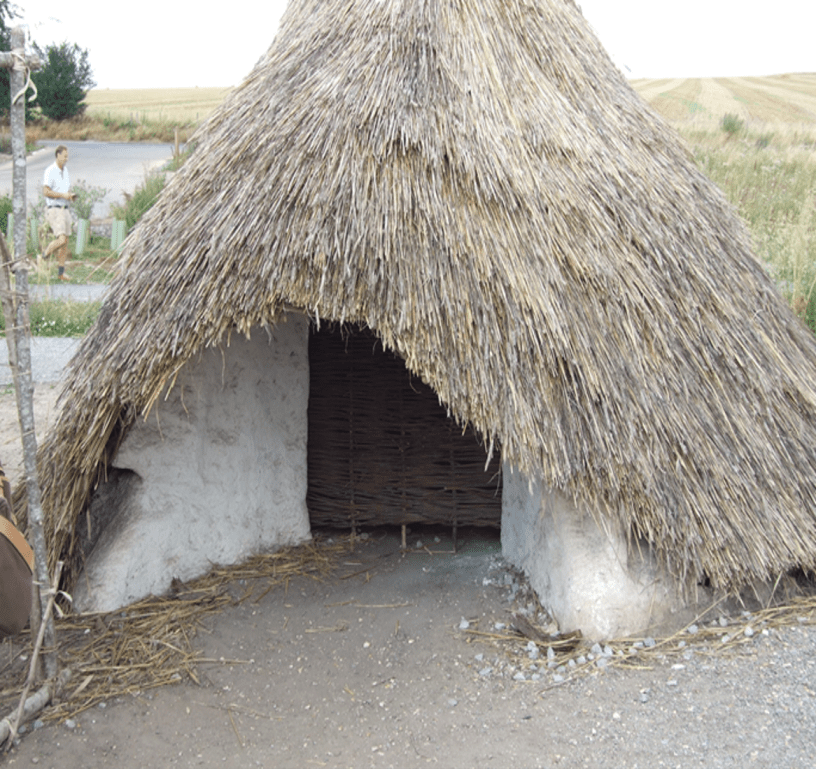
There is some evidence that people in Jordan were carrying out a primitive form of plastering as long ago as 7,500 BC. They would cover their shelters made of twigs or reed with mud to strengthen, protect and decorate it.
In Ancient Greece man has developed his building skills moving from huts daubed in clay to permanent building with plastered walls, and the discovery of Gypsum
Gypsum deposits formed millions of years ago when the salt water oceans receded and caused the formation of inland “dead” seas, The density of the gypsum material, plus its smooth surface, provided both protection and a surface ideal for painting
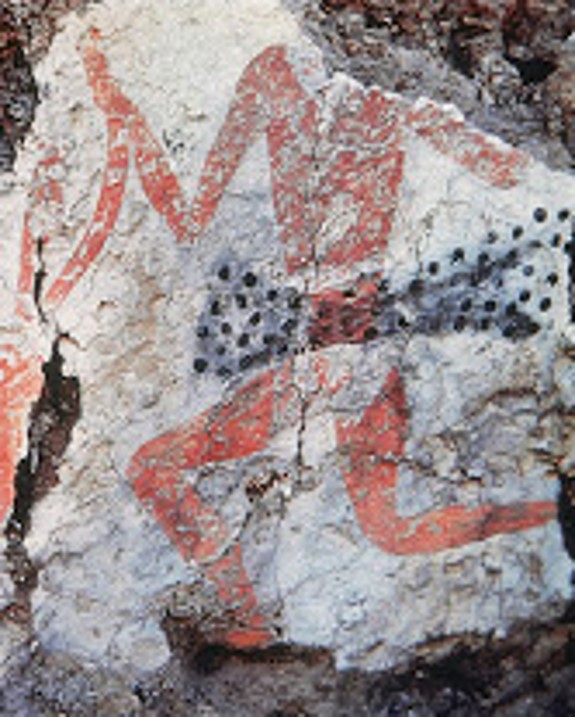
By chance, rocks of gypsum or lime were selected to form the crude kiln for firing pottery. With water thrown on the embers to quench the fire it was soon discovered that this powder formed a paste that quickly hardened. The antiseptic value of lime was used by ancient people in preventing the spread of vermin and disease.
The Pharaohs of Egypt used plaster for the wall and ceiling surfaces in their palaces , pyramids and tombs ,some of these plaster surfaces still exist in a hard and durable state today. Their methods of applying plaster were also very similar to the methods used today.
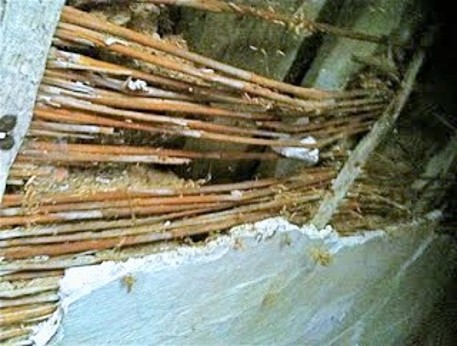
The Egyptians plastered on reeds a method which resembles in every way our method of plastering on lath, hair was introduced to strengthen the plaster even at this early date.
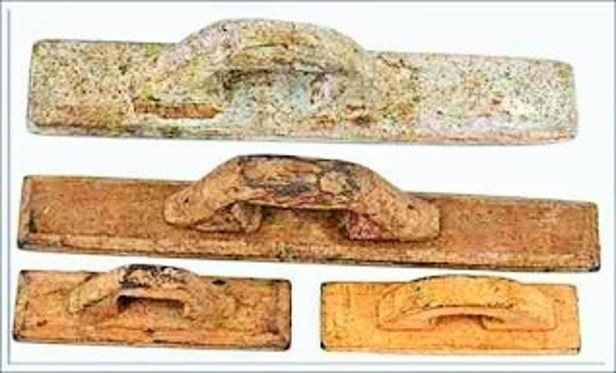
The tools uses by the crafts men where very similar to the tools used today
This tool is know as the float for thousands of years it was made out of timber , but these days it is made out of polyurethane
 Lath and Plaster