
By Mick Hargreaves
History of Plastering 1317-1856
1317
An indication of a typical plasterer’s work can be seen in an entry in the City archives for 1317.
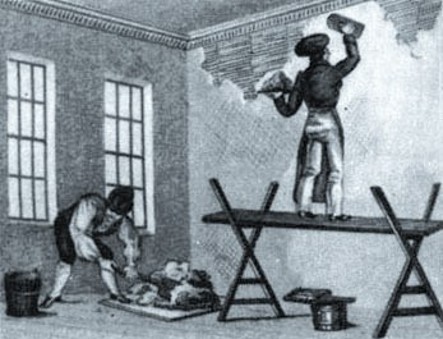
This records an agreement by Adam le Plaster, Freeman of London, to ‘supply Plaster of Paris and to repair therewith the walls, within and without, and also the flues, of the Earl of Richmond’s hall in the neighbourhood of St. Paul’s Cathedral, in eight weeks on security of all his goods’.
The Worshipful Company of Plaisterers is one of the Livery Companies in the City of London.
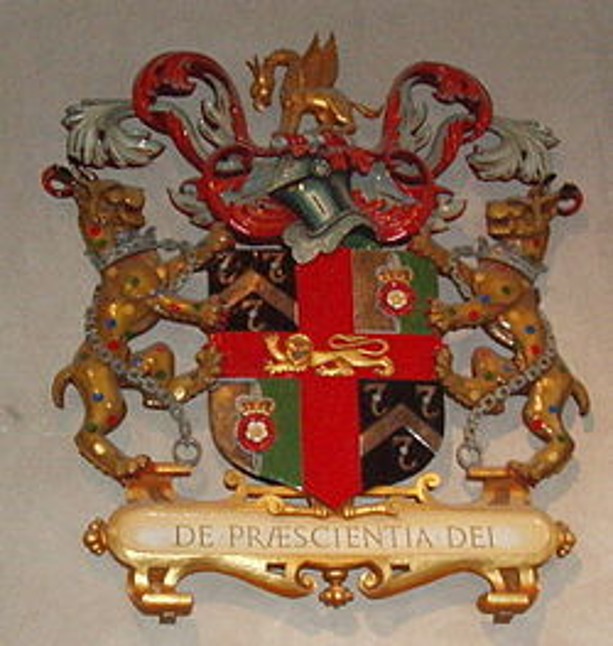
The Plaisterers’ Company was incorporated under a Royal Charter in 1501 and whilst the spelling used in the Charter was “Plaisterer”, some later Charters used the alternative spelling of “plasterer”, nonetheless, the Company uses the original spelling.
Jacobean Ceilings
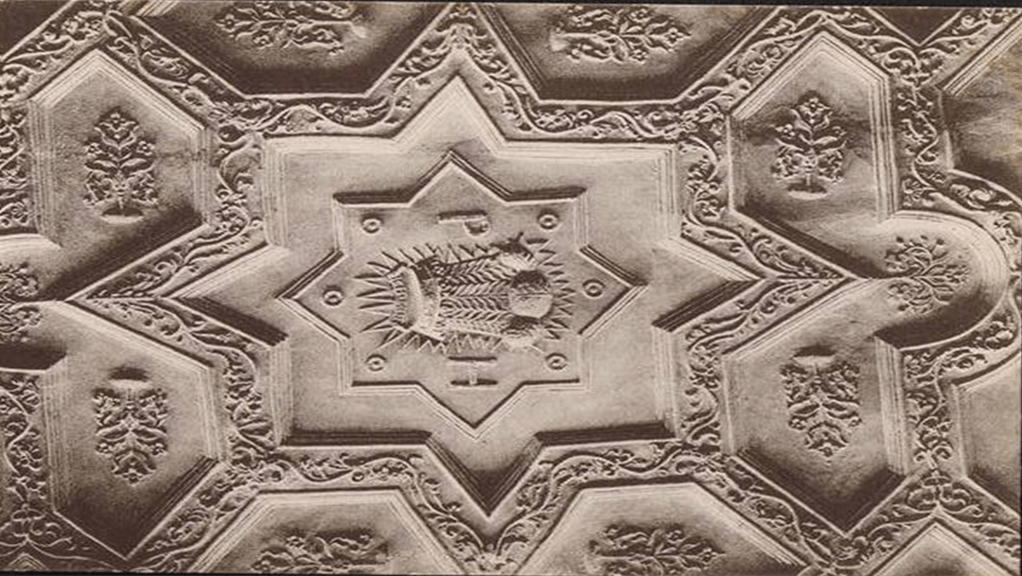
The strapwork is flat and square and varies in width by 10-15mm, suggesting that it was formed freehand. Small rosettes were cast and pressed into the strapwork while it was still wet. Apethorpe Hall in Northamptonshire has six surviving ceilings dating from the 1620s.
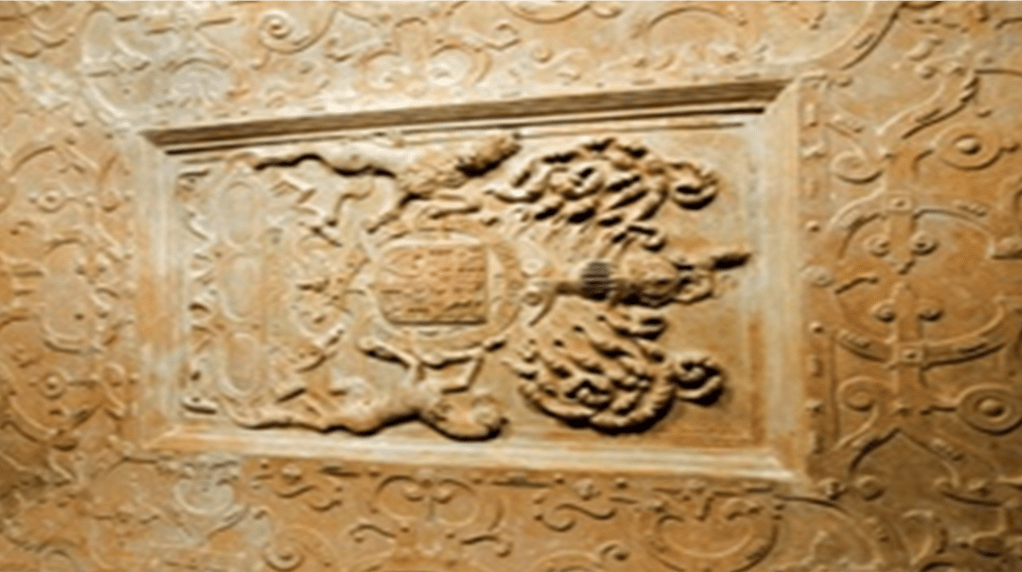
Prince Henry’s Room
A 17th-century building on Fleet Street features one of the best remaining Jacobian enriched plaster ceilings in London
Plaster was recognized long ago as a protection against fire. Its value as a fire retardant was demonstrated in the great fire of London of 1666,The king at that time Charles the second, ordered that all buildings were to have plastered walls. Houses that did not meet this specification within a stated period were to be torn down.
PAPIER MÂCHÉ 1740 onwards
From about 1740 onwards Papier mâché was mostly used in imitation of decorative plasterwork for ceilings and walls, but could also be used to model decorative timber borders, such as the carved and gilded work around doors and windows or chimney pieces.
WHY DID IT REPLACE PLASTER?
As an architectural material papier mâche̒ was more cost effective, Light , Strong ,Easily fitted ,It could be moulded into many different designs. It was also an ideal material for export abroad.
From the mid-18th century it was being used in Europe, England and the U.S, and by the 19th century and was used to great effect in many theatres and early cinemas.
The reasons for the decline in the production of architectural papier mâché are hard to pinpoint, but Architectural papier mâché ceased to be commercially produced by the middle of the 20th century, and replaced by fibrous plaster, which omitted the paper content in favour of individual fibre
1780
A craftsman George Jackson founded the company George Jackson & Sons Ltd. This London based firm was dedicated to the production of decorative plaster ornament. He was commissioned by architect Robert Adam to produce reverse-cut boxwood moulds
1856
Fibrous Plaster was patented in 1856 by a French Modeller Leonard Alexander Desachy, Fibrous Plaster is cast in a mould strengthened with canvas and timber
Visit Ryan Fibrous Workshop to see the techniques still being used
 Lath and Plaster