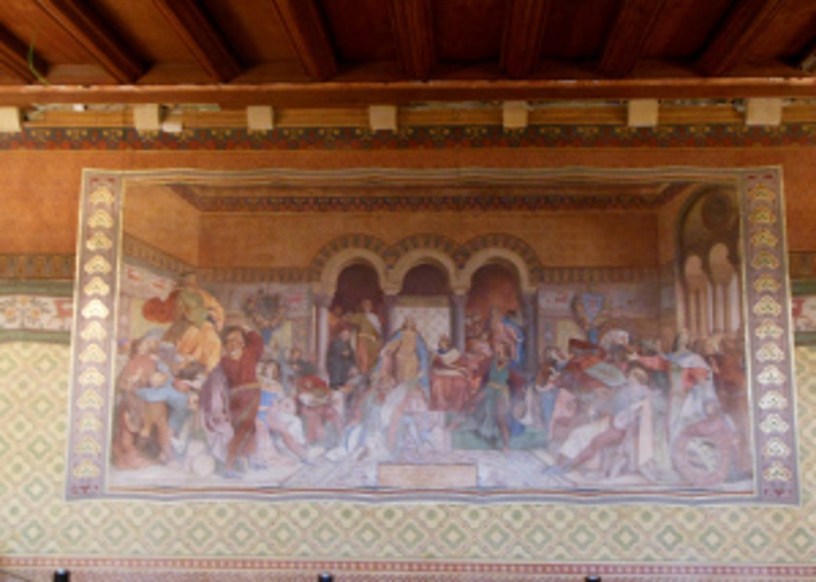
By Mick Hargreaves
Rome 64 AD and the birth of decorative Plasterwork
The Golden House of Nero, Rome.
This building was very important for the evolution of decorative plasterwork in the western world.
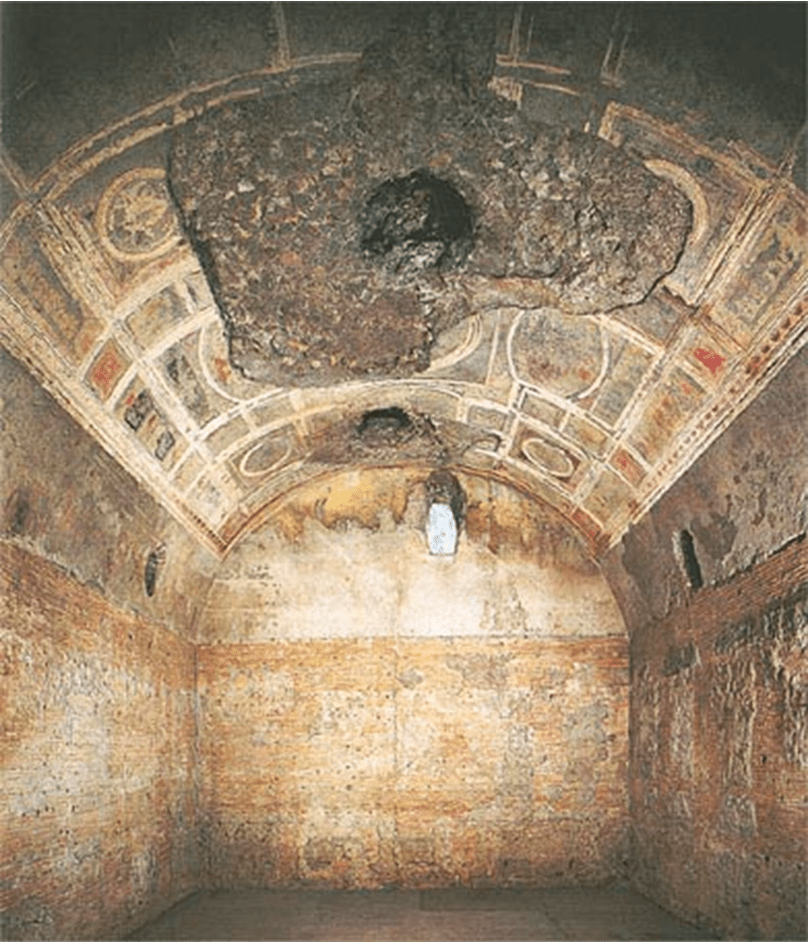
After Nero’s death in AD. 68 the Emperor’s built over it, and in AD.104 a fire destroyed the rest, it was all but forgotten, until what was left was rediscovered in the late 15th century
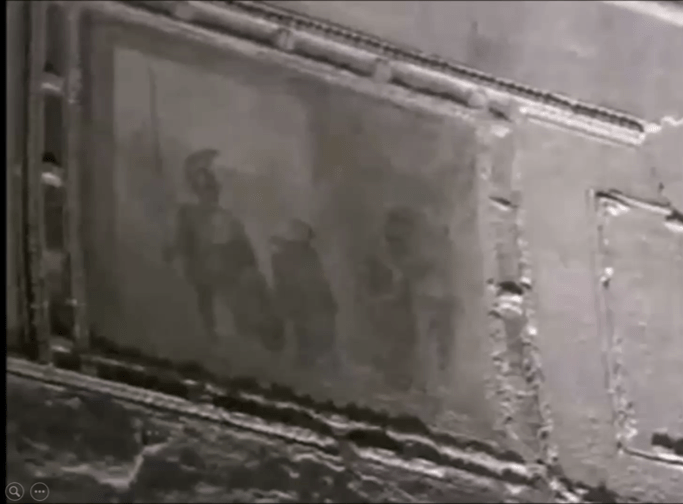
This piece of work is widely accepted as the first piece of decorative plasterwork, and regarded as the birth of decorative plasterwork.
One of the reasons being, that it was the first occasion that frescos were given borders of raised decorative plaster panels, set out in a rigid geometrical design.
12th Century
Early plasterwork in the UK was very plain, with the walls just being plastered once the walls were dry. It was very popular to paint frescos using pigments which would infuse into the lime washed wall surface, and this was carried out on many castle and grand houses throughout the UK
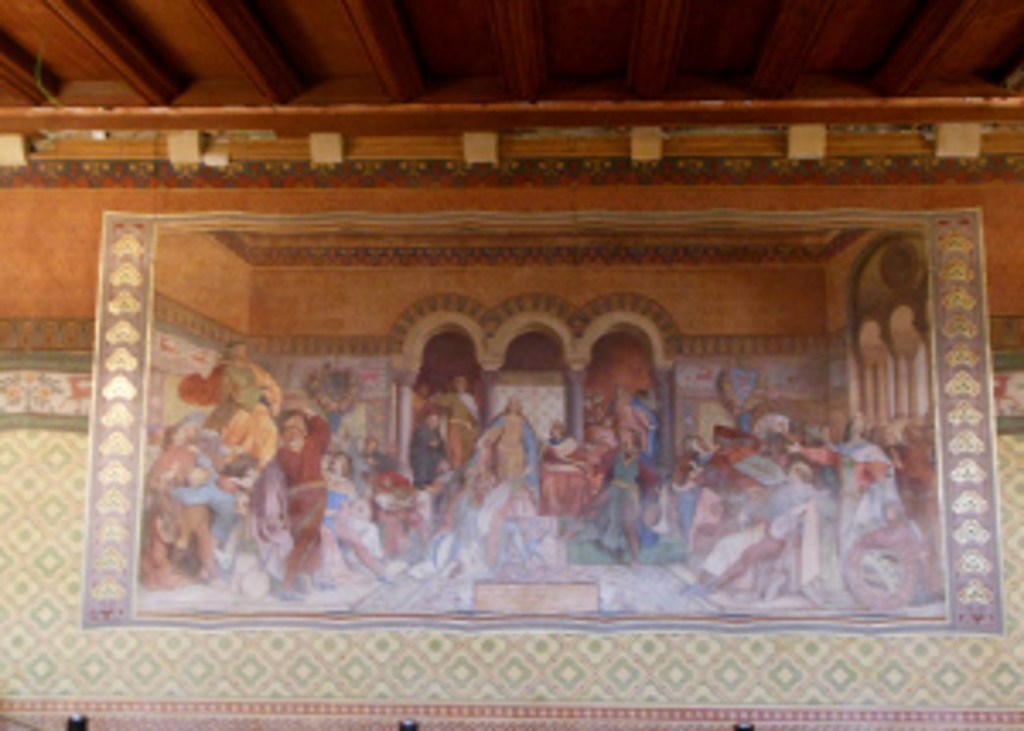
It was in the twelve century that plastering became recognised as a craft, and we can only take a guess that the it was about this time that in the City of London the first indentured apprentices would be working on site.
What we do know that the apprentice had to serve seven year indentured apprentice to his master, learning the craft including all the mix ratios, during that time his master would also be responsible for the apprentices food shelter and clothing.
In 12th century London there were so many cook-shop fires that Henry Fitz Alwyn, the first Mayor of London, ordered all such places to be plastered and lime washed for protection.
The order must have had some success, because in 1212, King John endorsed an act, allowing shop-owners on the Thames and London Bridge just eight days to whitewash and plaster, inside and out, at pain of having their property demolished
1254
It was rare for plastering to be used for ornamental purposes in Britain until 1254, when Henry III, on a visit to France, was so taken with the fine, white qualities of Plaster of Paris that he introduced it here.
It was around this time that the trade became regulated and in order to work in the City of London you have to become a freeman, this meant free from your master One of the oldest surviving traditional ceremonies still in existence today is the granting of the Freedom of the City of London.

It is believed that the first Freedom was presented in 1237.
 Lath and Plaster