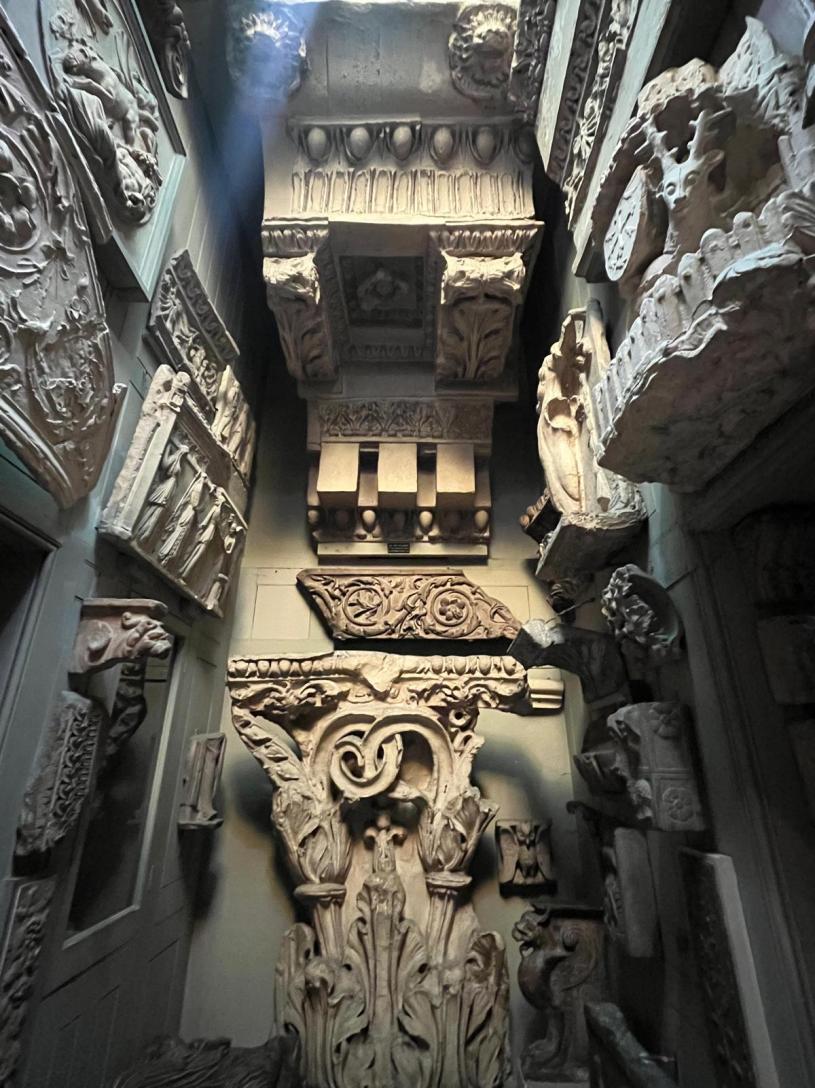
Taking a rare day away from my busy schedule, I dedicated some time to Continuing Professional Development (CPD) with a visit to Sir John Soane’s Museum in Lincoln’s Inn Fields. This well-deserved trip provided an excellent opportunity to explore architectural heritage and research the historical foundations of the plastering trade.
Sir John Soane’s Museum, once the home of the renowned neoclassical architect, has been meticulously preserved as it stood at the time of his death in 1837. Designed as both a private residence and a personal museum, the house contains an extraordinary collection of art, antiquities, architectural models, and historic artefacts from around the world.
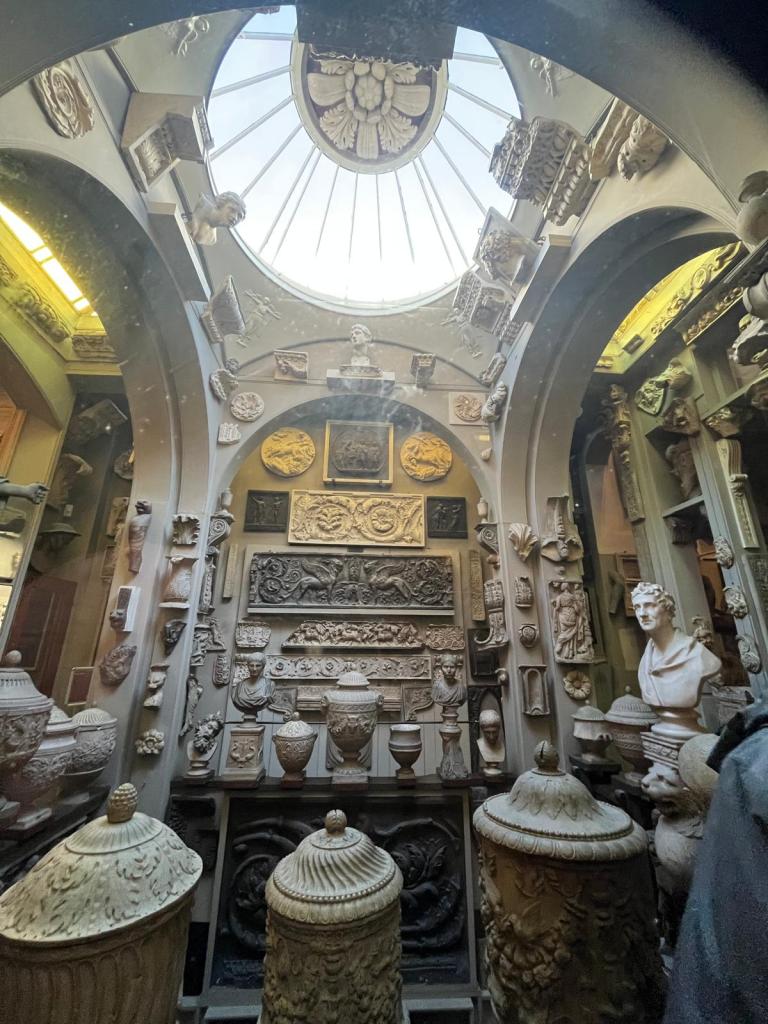
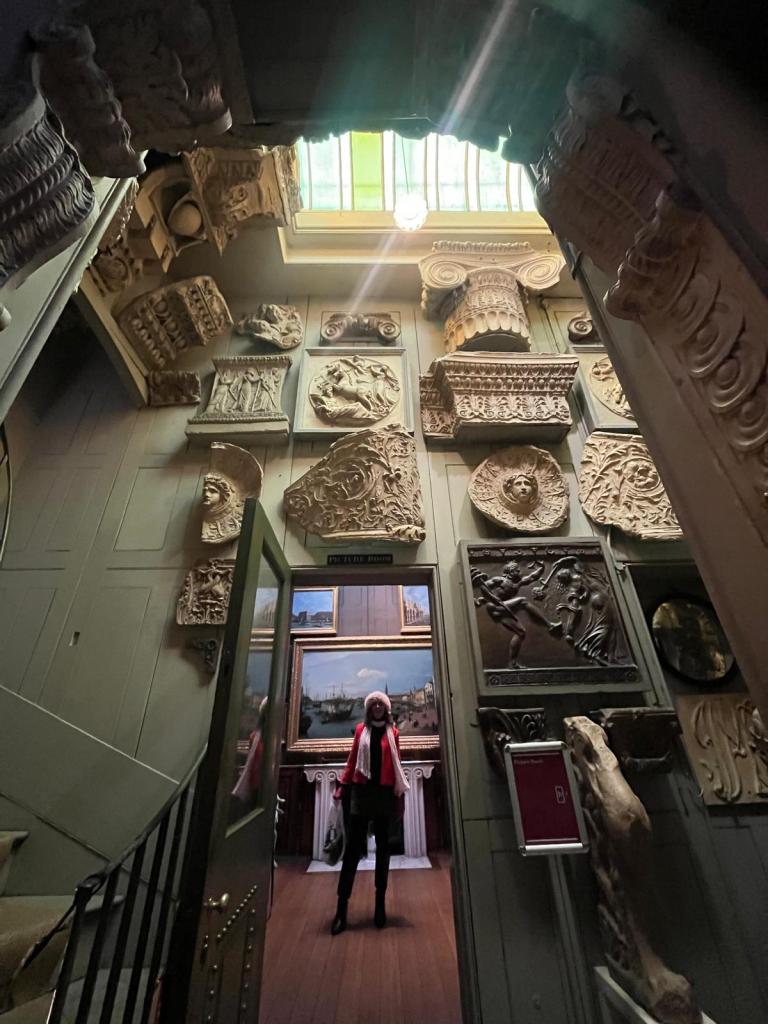
Moving through the atmospheric rooms, I was struck by Soane’s innovative use of light and space. A particular highlight was the Picture Room, where hinged walls reveal an impressive collection of paintings by artists such as Hogarth, Canaletto, and Turner. The museum also displays Egyptian sarcophagi, Roman sculptures, and fragments of classical architecture, reflecting Soane’s deep appreciation for craftsmanship and historic design.
What makes this museum truly exceptional is its intimate scale and theatrical presentation. Clever use of mirrors, skylights, and layered perspectives creates a constant sense of discovery. It offers invaluable insight into the mindset of a visionary architect whose influence still resonates today.
Located in one of London’s oldest legal districts, the museum’s setting adds further historical significance. Soane even secured an Act of Parliament to ensure his home would remain unchanged for future generations — a remarkable legacy. Today, the museum continues to inspire architects, students, and heritage professionals worldwide.
The experience reinforced the importance of preserving traditional skills and craftsmanship within our trade. It was a highly worthwhile CPD day and a powerful reminder of how historic design continues to shape modern practice.
 Lath and Plaster