Word from the Editor

I am delighted to share that the magazine has now reached its first anniversary. I would like to extend my sincere thanks to the editorial team for their valuable contributions and dedication throughout the year.
In this edition, I have featured the twelve most-viewed blogs from the past year, and I hope you enjoy revisiting these popular pieces.
Thank you for your continued support. May I also take this opportunity to wish all our readers a very Merry Christmas and a Happy and Prosperous New Year.
We will be back at the end of January.
Warm regards,
David
Editor
1 You are a cowboy and you will never make a plasterer as long as you live

These are the words no one wants to hear especially a cock sure young twenty-one-year-old lad, but they are the exact words I heard as I was sacked from my first job as a plasterer LOL
2 The Day I Ruined a Hotel Room: A Plasterer’s Tale

So you might have had a bad day at work, not everything has gone your way, or you are having your lunch sitting in a cold van eating chips out of a paper and hoping the afternoon is going to be better than the morning, welcome to my world.
3 History of Plastering parts 1,2 &3
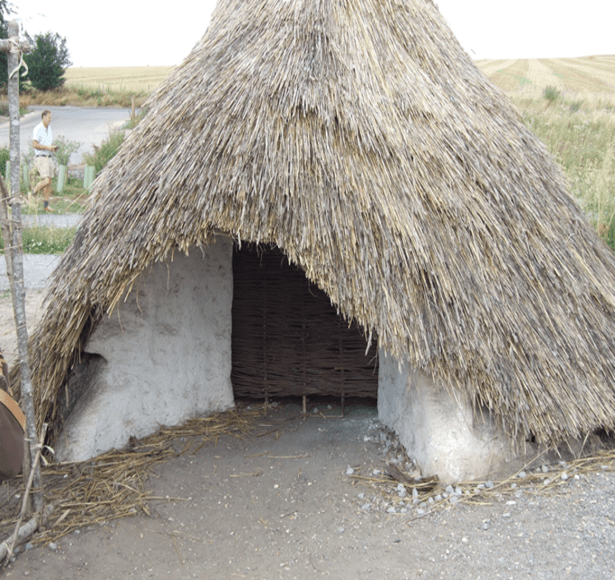
There is some evidence that people in Jordan were carrying out a primitive form of plastering as long ago as 7,500 BC. They would cover their shelters made of twigs or reed with mud to strengthen, protect and decorate it.
Podcast The Mick and Dave Show!
🚨 NEW PODCAST ALERT! 🚨
🎧 Just dropped: the official trailer for The Mick and Dave Show! 🇬🇧✨
These two legends are back with even more banter, laughs, and no-nonsense chat from behind the mic. If you’ve ever wondered what happens when two plastering pals trade their trowels for tall tales… this is it. 😄👷♂️👷♂️
From cracking jokes on site to swapping stories about life off the tools, this trailer gives you the perfect taste of what’s coming. Think laughs, proper lads’ talk, and the kind of banter that’ll have you hitting subscribe before it’s even finished! 🍻🎙️
👇 Give it a listen here:
👉 https://www.buzzsprout.com/2532392/episodes/18320032-trailer-for-the-mick-and-dave-show.mp3?download=true
Whether you’re on the job, on the sofa, or just in need of a good natter with mates, The Mick and Dave Show is your new go-to. 🤘🔥

4 Plasterboard: Revolutionising Wall Construction Since 1894
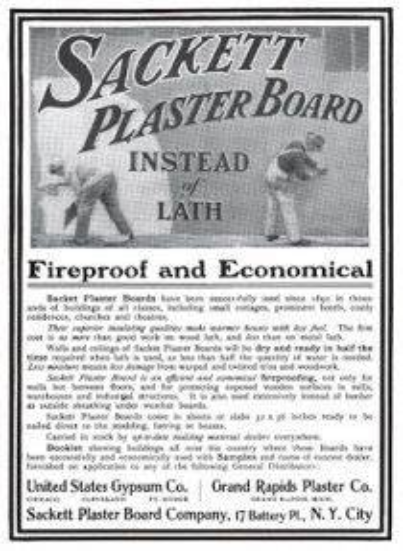
Plasterboard, also known as drywall, is a widely used material for building walls and ceilings. It was invented by an American named Augustine Sackett in 1894. Before this invention, constructing walls was a slow and messy process. Workers had to attach wooden strips called laths to wall frames and then cover them with wet plaster, which took days to dry.
5 The History of Fibrous Plastering: From Ancient Art to Modern Design
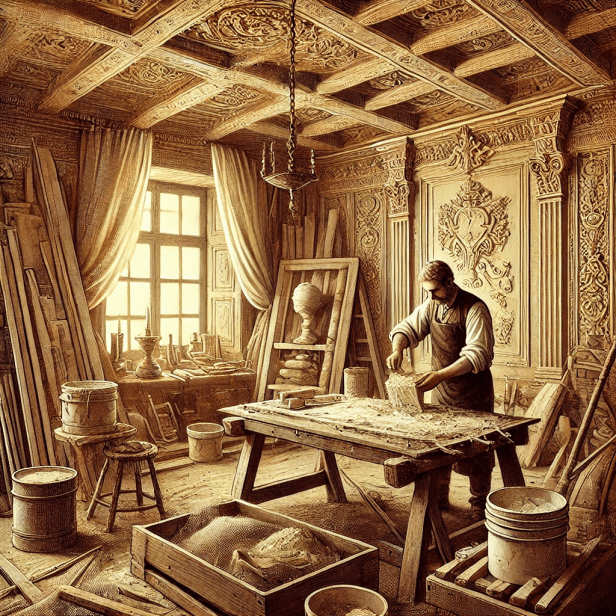
Fibrous plastering is a centuries-old craft used to create decorative architectural elements. It combines plaster with hessian (burlap) and a lightweight timber or wire framework to form intricate mouldings, ceilings, and ornamental designs. Over time, the technique has evolved alongside changes in artistic styles, materials, and construction methods.
6 Memorable Tales from the Construction Site

They used to call me the old school plasterer. I never asked for the nickname, but I reckon it came from how I started — the hard way. Back in the early 1970s, building sites were more like the Wild West than workplaces. Health and safety didn’t exist. You had no job security. It was survival of the fittest. And if you couldn’t keep up, you were out — simple as that.
Subscribe
Subscribe to Lath and Plaster Magazine — it’s completely free!
By subscribing, you’ll get an email notification each time a new issue is released, so you’ll never miss the latest articles, tips, and expert insights on lath and plaster techniques.
Each edition is thoughtfully curated to bring you practical guidance, in-depth tutorials, and inspiring restoration stories from experts in the field. Whether you’re a skilled craftsman, a contractor, a preservationist, or simply passionate about traditional building methods, our magazine offers something valuable for you.
Join our growing community of professionals and enthusiasts today and gain access to exclusive interviews, product reviews, and expert commentary. Stay informed about emerging trends, modern applications of classic plastering methods, and innovative restoration practices that honour historic craftsmanship. From traditional lime plaster mixes to advanced repair solutions, Lath and Plaster Magazine connects you with the knowledge and inspiration to elevate your work.
Sign up now and enjoy high-quality, engaging content delivered straight to your inbox — no spam, no fees, just pure passion for the art of plaster.
7 The Evolution of Plaster Mixing Equipment in Britain
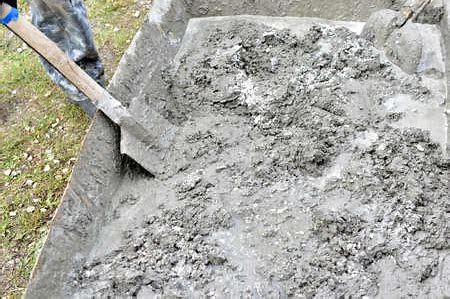
The history of plaster mixing equipment in Britain reflects wider transformations in construction practices, labour systems, and materials technology. From Roman occupation to the digital age, the way plaster has been prepared and applied has steadily advanced. Below is a timeline of key developments
8 The UK Building Trade Strike of 1972 and the Shrewsbury Seven

The UK building trade strike of 1972 was a pivotal moment in British labour history, highlighting tensions between the working class and the establishment. The strike, which sought improved wages and safer working conditions, resulted in a dramatic confrontation between trade unions and the government. A significant consequence of this dispute was the prosecution of the Shrewsbury Seven, a group of trade unionists who became embroiled in a controversial trial that exposed the political and legal forces against organized labour.
9 Portland Cement: The Invention That Changed Building Forever
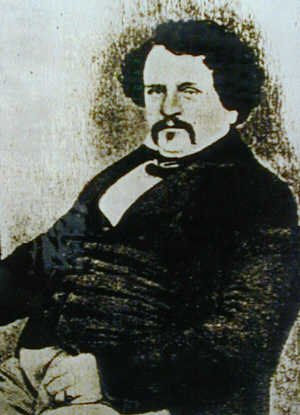
Joseph Aspdin was an English bricklayer who changed the world. He invented **Portland cement** in 1824. This invention helped create modern concrete, which is used in buildings, bridges, roads, and many other structures. Even though he was not a scientist or engineer, Aspdin’s idea became one of the most important in construction history. This essay will explain who Joseph Aspdin was, what Portland cement is, how he invented it, and why it matters today.
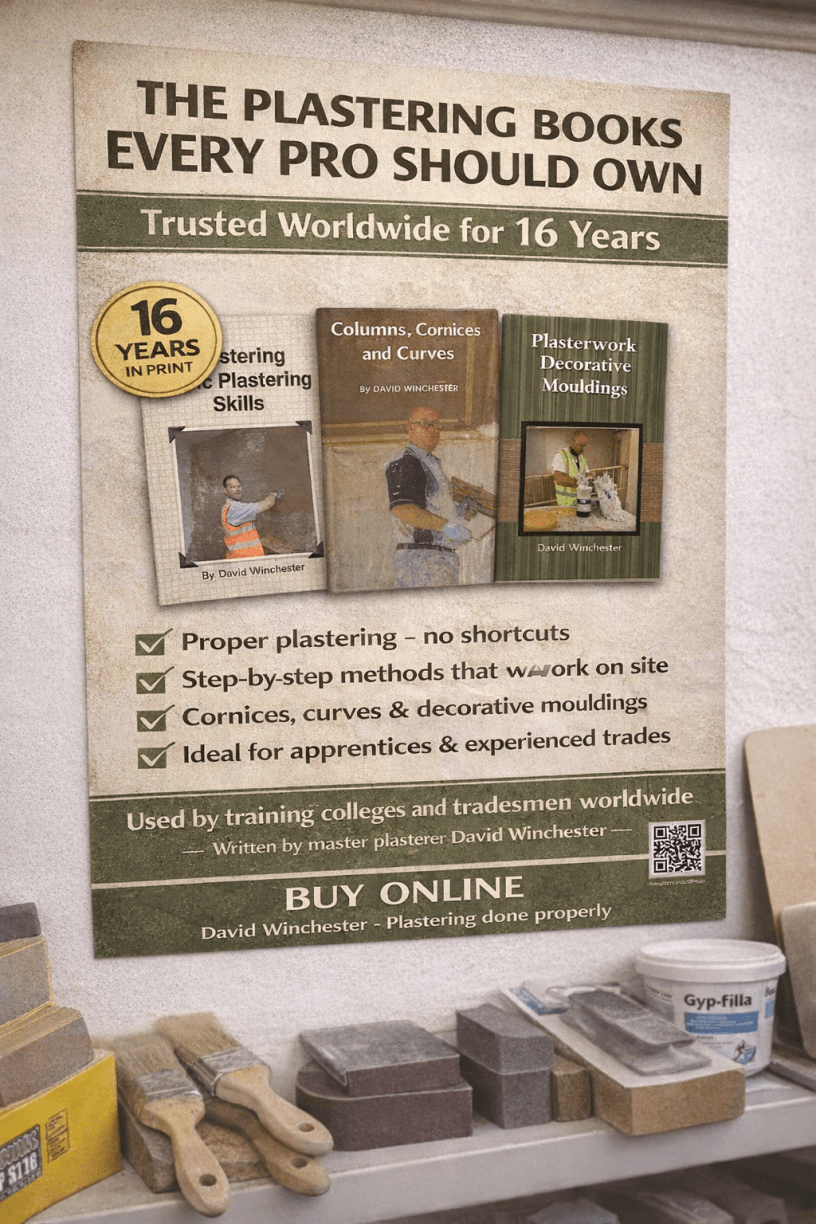
Introducing the Lath & Plaster Plastering Trilogy!
Crafted by experts and trusted by students, this collection takes you step-by-step through the art and technique of plastering in both paperback and affordable e-book formats. Available now:
Basic Plastering Skills
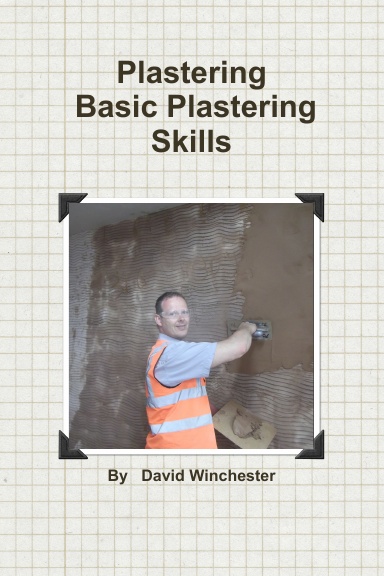
Plastering: Basic Plastering Skills by David Winchester is the ultimate beginner’s guide to mastering plastering. Written by a third-generation plasterer and experienced tutor, this book covers essential techniques—from preparing surfaces and fixing boards to internal and external plastering.
With clear instructions, over 100 colour photos, and step-by-step guidance, it’s ideal for Level 1–2 students, apprentices, and DIY enthusiasts. Learn proper tool use, safety practices, and professional finishes that last. Whether you’re repairing a wall or starting a trade career, this practical, visual handbook builds confidence and skill. Smooth your future—start plastering the right way today!
Plasterwork Decorative Mouldings

Plasterwork: Decorative Mouldings by David Winchester is an expertly crafted, richly illustrated guide to the art of decorative plastering. Covering everything from simple panel moulds to more advanced fluted columns and ornamental work, the book walks readers through each stage of the process with clear, practical explanations. Beautiful full-colour photographs and detailed diagrams make complex techniques easy to follow, whether you’re a student, apprentice, or DIY enthusiast.
Author David Winchester—a seasoned plasterer and lecturer—brings decades of hands-on trade experience to the page, combining traditional craftsmanship with accessible instruction. The book also includes a helpful glossary of key terms and interactive learning elements such as quizzes and word searches, making it ideal for both classroom use and self-study.
Readers have praised Plasterwork: Decorative Mouldings for its clarity, visual layout, and practical value. One reviewer described it as “an excellent resource—a must for any plasterer,” noting the quality of the step-by-step guidance and illustrations.
Whether you’re learning the trade, enhancing your decorative skills, or seeking inspiration for your next project, this book provides everything you need to create stunning plaster mouldings with confidence and precision.
Columns, Cornices & Curves
Columns, Cornices & Curves by David Winchester is the ultimate guide for anyone ready to advance their plastering and decorative moulding skills. Aimed at Level 3 students, apprentices, and skilled DIYers, this comprehensive handbook explores complex plasterwork such as curved walls, arches, coffered ceilings, and ornate cornices. Winchester’s expertise shines through every page, combining clear explanations with vivid, full-colour images that make even the most intricate methods easy to follow.
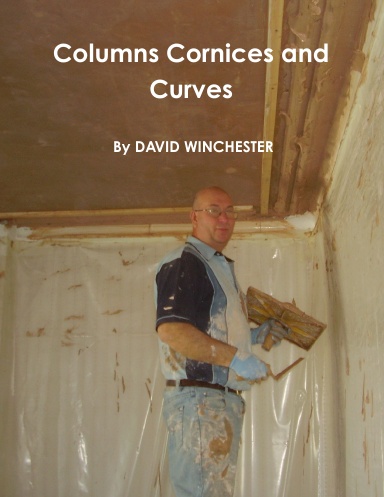
The book includes practical learning tools such as a glossary of technical terms, quizzes, and activities to help reinforce key concepts. Reviewers and educators praise it as an “excellent, easy-to-understand pictorial guide,” widely used in plastering courses for its clarity and depth.
David Winchester, a master craftsman and experienced lecturer, brings decades of real-world experience into a practical, classroom-friendly format. His passion for the trade and dedication to teaching make this an inspiring and invaluable resource.
Whether you’re mastering decorative features or striving for architectural-level finishes, Columns, Cornices & Curves gives you the confidence, precision, and knowledge to bring elegance and craftsmanship to your plastering work. Transform every surface you touch—build with skill, detail, and artistry.
10 A Historical Timeline of Plastering Trowels in the UK
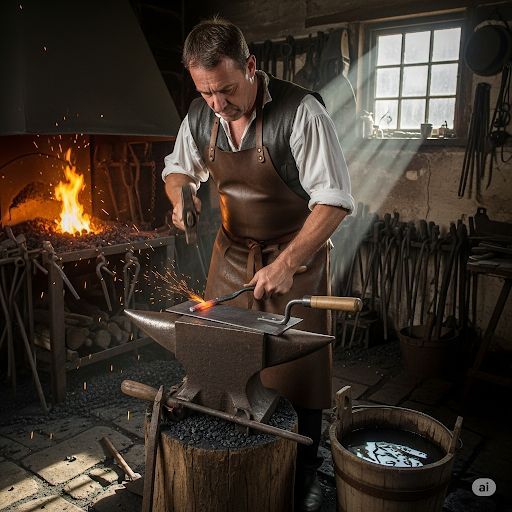
Plastering trowels have been essential tools for centuries, shaping the walls and ceilings of homes, churches, and great halls across Britain. The question of which company first sold plastering trowels in the UK is not straightforward. Before the rise of industrial tool brands, these implements were the domain of local smiths and small workshops. Few printed records exist from this period, so early trowel production remains shrouded in practical necessity rather than commercial documentation.
11 From Apprentice to Freeman: The Journey of the Plasterer, from 1600

Plastering is one of the oldest and most enduring building crafts. Its smooth walls and ornate ceilings have shaped our architectural heritage, yet behind every elegant cornice lies a story of skill, discipline, and centuries of tradition. Between 1600 and 1950, the path from apprentice to freeman in the plastering trade reflected not only the evolution of craftsmanship but also the changing fabric of British society — from guild regulation and city charters to industrialisation and technical education.
From Vision to Reality: The Shark Bag Success Story

My plastering journey began about 12 years ago when we bought our first house. It was a fixer-upper, and we were on a tight budget! That meant I had to learn some new skills fast—plastering being one of them. I was already quite handy, and I picked it up quickly. Before long, I was achieving a finish as good as any professional plasterer I knew.
12 Women in Plastering: A Historical Overview

The history of women in plastering dates back to the 1600s and tells a story of slow but steady progress in a male-dominated trade. In the 17th and 18th centuries, plastering was almost exclusively done by men. The physically demanding nature of the work, along with strict societal norms, kept women from joining the trade.
Contact us
We’re always on the lookout for inspiring stories and the remarkable work of skilled craftspeople . If you have a unique journey, project, or craft you’d like to share, we want to hear from you. Tell us your story—you could be our next featured creator. Let’s celebrate creativity, one craft at a time.


 Lath and Plaster